
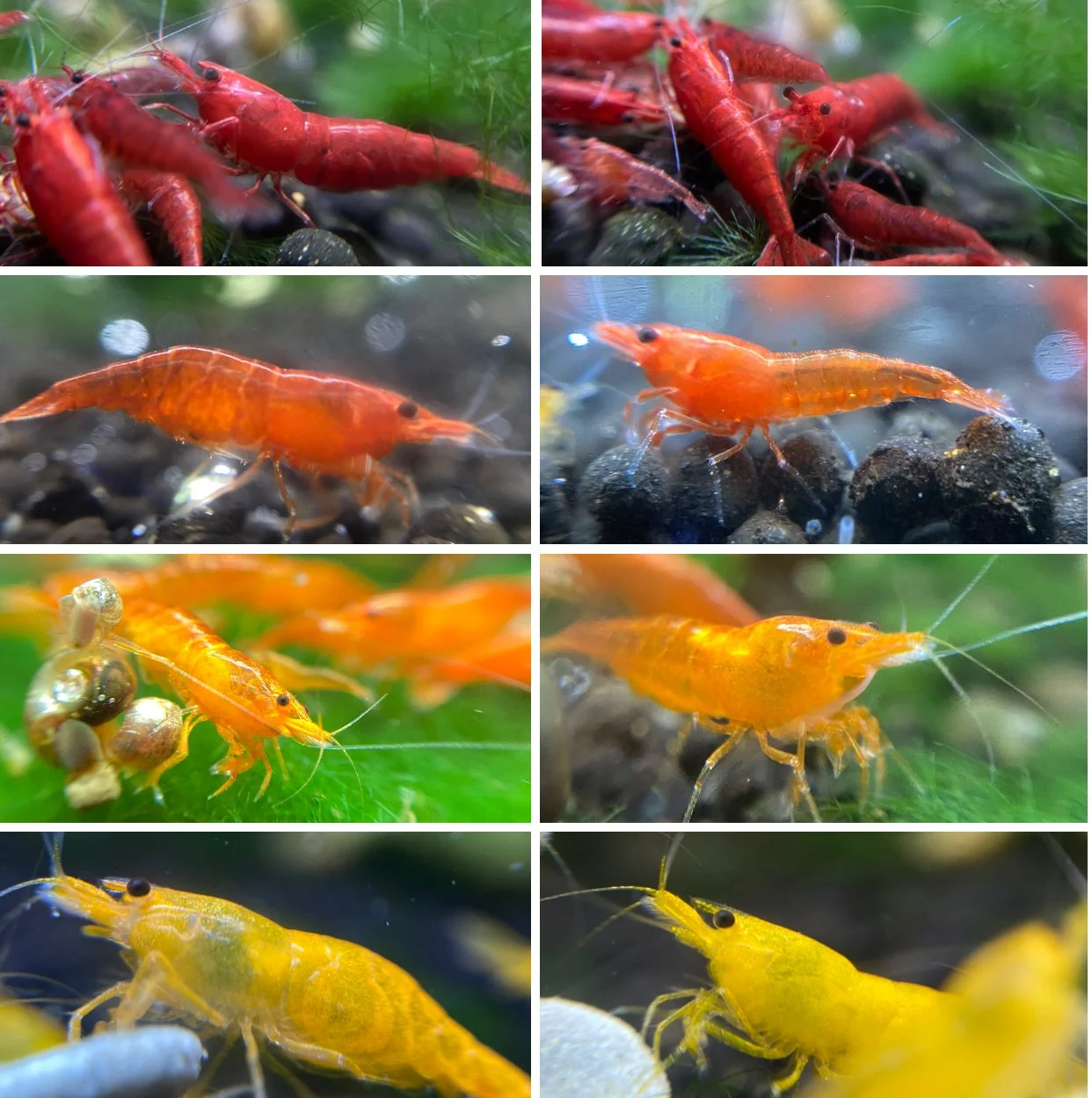
Cherry Shrimp (Neocaridina) Care Guide:
Cherry Shrimp (Neocaridina) Care Guide:
Applies to all colours & varieties of Neocaridina shrimp
Cherry Shrimp, often simply called “Neos,” are one of the most popular freshwater shrimp for aquariums. Originally from Taiwan and other parts of East Asia, Neocaridina davidi are naturally found in slow-moving streams, ponds, and densely planted waterways. Their wild form is usually a translucent brownish colour, but through selective breeding, hobbyists have developed the incredible range of vibrant colours we see today — from bright red to blue, yellow, orange, green, and more.
In the wild, Neos thrive in environments rich with rocks, plants, and leaf litter, where they graze on biofilm, algae, and decaying organics. This natural diet and habitat are the foundation for their care in aquariums. Despite the many color morphs, all Neocaridina shrimp share the same care needs.
This guide will walk you through everything you need to know about setting up a tank, creating the right environment, and feeding your shrimp for long-term success.
Tank Set Up and Establishing the Aquarium
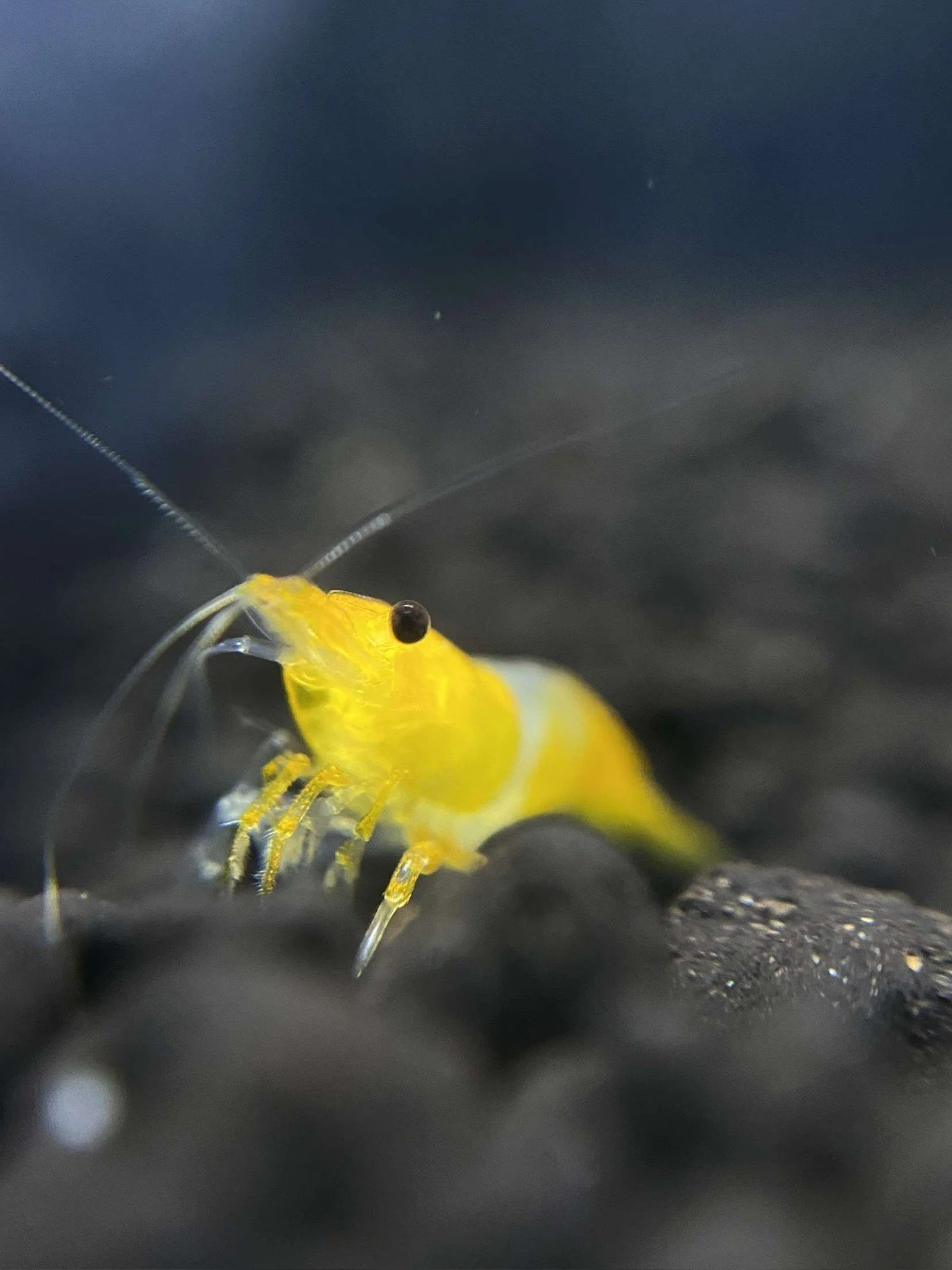
A successful shrimp tank is about more than just cycling — it also needs to be established. That means the tank should have plenty of natural “shrimp food” like biofilm, microorganisms, and even small amounts of algae growing. These provide constant grazing opportunities, which are critical for shrimp health, especially for baby shrimp.
Shrimp can be kept in many styles of aquariums depending on your goals:
For Breeding Quality Shrimp:
I personally like using the 20L Kmart tanks. Their smaller size makes it easier to spot shrimp with imperfect coloring, ensuring high standards in breeding. A smaller tank can also help focus on quality over quantity.For Higher Yields:
Larger tanks are more stable and usually produce more shrimp overall, but the quality can sometimes be harder to maintain compared to smaller, selective breeding tanks.Shrimp-Only Displays:
Your imagination is the limit! From beautifully aquascaped planted tanks to simple moss and wood setups, shrimp will thrive in any established environment as long as water quality and food are right.
Water Parameters
Neocaridina shrimp are adaptable and thrive in a wide range of stable conditions. I keep mine at room temperature with a pH around 7.4, but they do well anywhere between 6.5–8.0.
The golden rule for shrimp is stability over perfection. Don’t chase numbers — fluctuating water parameters cause more problems than a slightly imperfect pH or hardness.
Temperature: 18–26°C (room temp is fine)
pH: 6.5–8.0 (ideal around 7.0–7.6)
KH/GH: Stable levels are more important than exact numbers
Ammonia/Nitrite: 0 (shrimp are extremely sensitive)
Nitrate: <20 ppm preferred
Clean, stable water with gentle filtration is the foundation of healthy shrimp keeping.
Feeding Neocaridina Shrimp
Shrimp thrive on a varied diet. While they’ll constantly graze on biofilm, algae, and botanicals in the tank, they also need supplementary feeding for strong growth, healthy molts, and good breeding.
Here’s what I feed mine:
Staple foods: High-quality shrimp pellets rich in protein and calcium
Fresh foods: Blanched vegetables like spinach, zucchini, or cucumber
Botanicals: Indian almond leaves, cholla wood, and other botanicals for grazing
Mulberry leaves: A big favorite among shrimp
A Secret Superfood: Moringa Powder
One of the best things I’ve added to my shrimp’s diet is moringa powder — yes, the same human superfood! After seeing my partner use it, I researched its nutritional content and decided to try it for shrimp. It turned out to be one of the best decisions I’ve made.
I add moringa to homemade frozen foods, and sometimes after a female drops a new batch of shrimplets, I’ll mix a little moringa into water and pour it into the tank. It’s messy, but the results are amazing — I’ve seen a noticeable spike in baby shrimp survival rates thanks to the extra nutrition.
Breeding and Life Cycle of Neocaridina Shrimp
One of the most fascinating aspects of keeping Neocaridina shrimp (Cherry Shrimp or “Neos”) is observing their entire life cycle — from tiny shrimplets to vibrant adults. Understanding their breeding habits and growth stages will help you maintain a healthy, thriving colony.
Breeding
Neocaridina shrimp are prolific breeders and don’t require complicated conditions to reproduce. The key is a stable, established tank with plenty of biofilm, moss, and other natural grazing surfaces.
Mature females develop a “saddle,” a yellow or green patch behind their head that holds developing eggs.
Once ready to mate, females release pheromones that attract males.
After mating, the female carries fertilized eggs under her tail, constantly fanning them to keep them oxygenated.
Eggs hatch in 3–4 weeks, depending on water temperature.
Life Cycle
Shrimplets: Baby shrimp hatch fully formed and tiny. They immediately start grazing on biofilm, algae, and small particles in the tank. Providing moss, leaf litter, and botanicals helps them hide and feed safely.
Juveniles: Over the next few weeks, shrimplets molt repeatedly and grow larger. Regular feeding with a mix of high-quality shrimp pellets, blanched vegetables, and occasional superfoods like moringa powder improves survival and growth rates.
Adults: After 4–6 months, shrimp reach maturity and begin the cycle again. Females develop their first saddle, males become more active, and breeding continues.
Tips for Healthy Breeding and Growth
Maintain stable water parameters — sudden changes can kill eggs or shrimplets.
Provide plenty of hiding spots like moss, cholla wood, and leaf litter.
Avoid aggressive tankmates — even small fish may prey on baby shrimp.
Feed a varied diet rich in protein, calcium, and trace nutrients to support healthy molts and strong offspring.
Add New Genetics — Occasionally add new genetics to your shrimp lines to help prevent inbreeding, shrimp bred in different tanks from the same original shrimp will over time create genes quite different to their siblings from other tanks. This is a good choice if you don’t want to risk mixing lines this is an option but getting shrimp from a new breeder each time will vary the genetics the most. Without doing this the colony willl eventually become weak and make start to slow down and die off.
Two Types of Breeding Tanks
Selective Breeding (Quality-Focused): Smaller tanks (~20L) allow you to monitor individual shrimp, cull weaker color morphs, and maintain high-quality lines.
Large Colonies (Quantity-Focused): Bigger tanks produce more shrimp overall but make it harder to maintain selective quality control.
By providing the right environment and diet, your Neocaridina shrimp will thrive and produce multiple generations, giving you a beautiful, self-sustaining colony over time.
Final Notes
Neocaridina shrimp are hardy, colourful, and endlessly fascinating to watch. With a stable, well-established tank and a varied diet, you’ll not only enjoy their beauty but also see them thrive and breed for years to come.
Whether you’re keeping reds, blues, yellows, or rarer colours, this guide applies to all Neocaridina shrimp varieties — making them one of the best starter invertebrates for Australian hobbyists.
Mystery Snail Care Guide
Applies to all colors and varieties of Mystery Snails (Pomacea spp.)
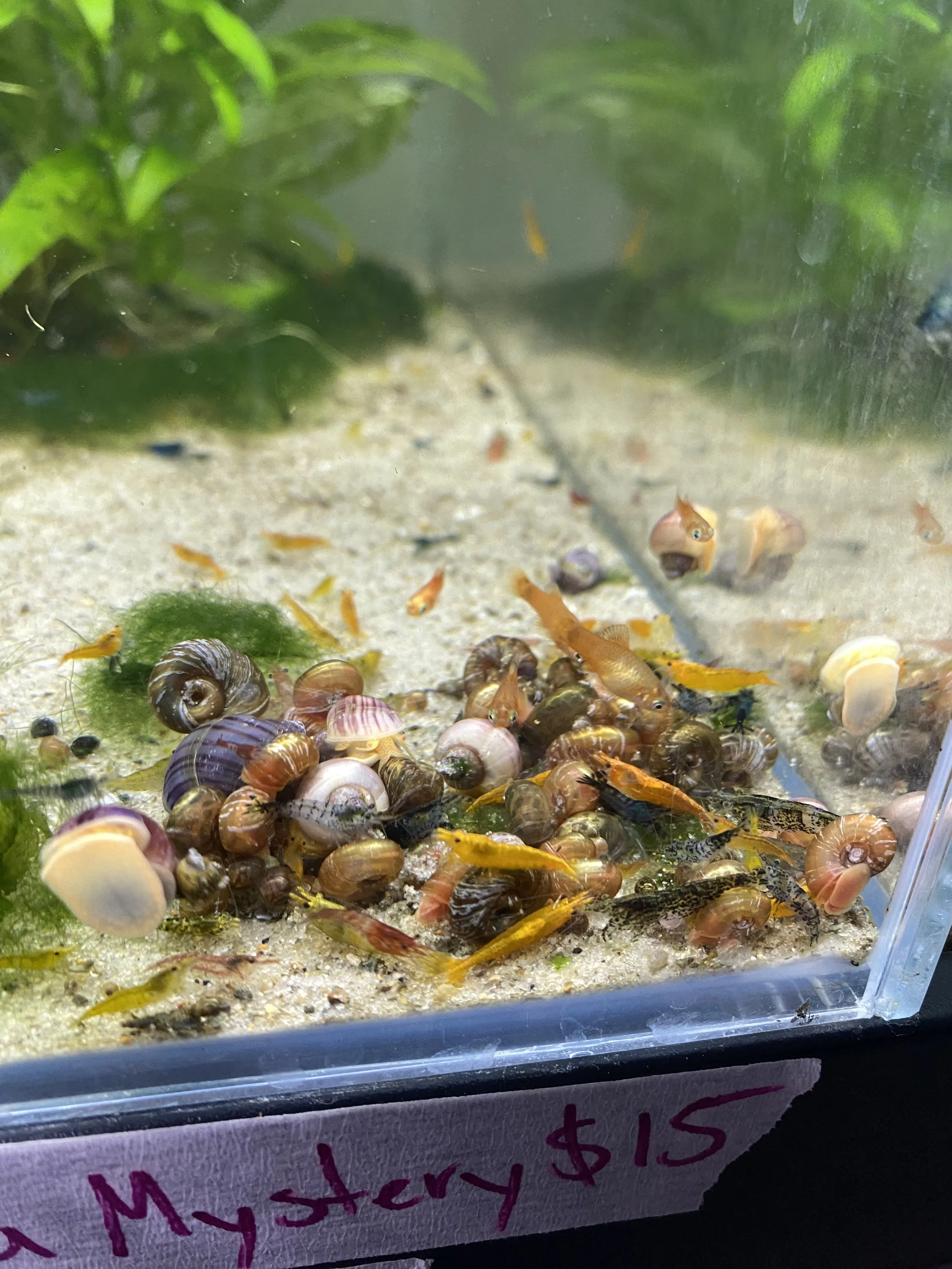
Mystery Snails are one of the most popular freshwater snails for aquariums, admired for their vibrant shell colors, peaceful nature, and algae-eating habits. They originate from South America, where they inhabit slow-moving rivers, ponds, and wetlands with abundant vegetation. In the wild, they graze on algae, biofilm, and plant matter, which is why providing a similar environment in aquariums is key to their health and longevity.
This guide will cover tank setup, water parameters, feeding, breeding, and life cycle tips to help you maintain healthy, thriving Mystery Snails.
Tank Set up and Establishing the Aquarium
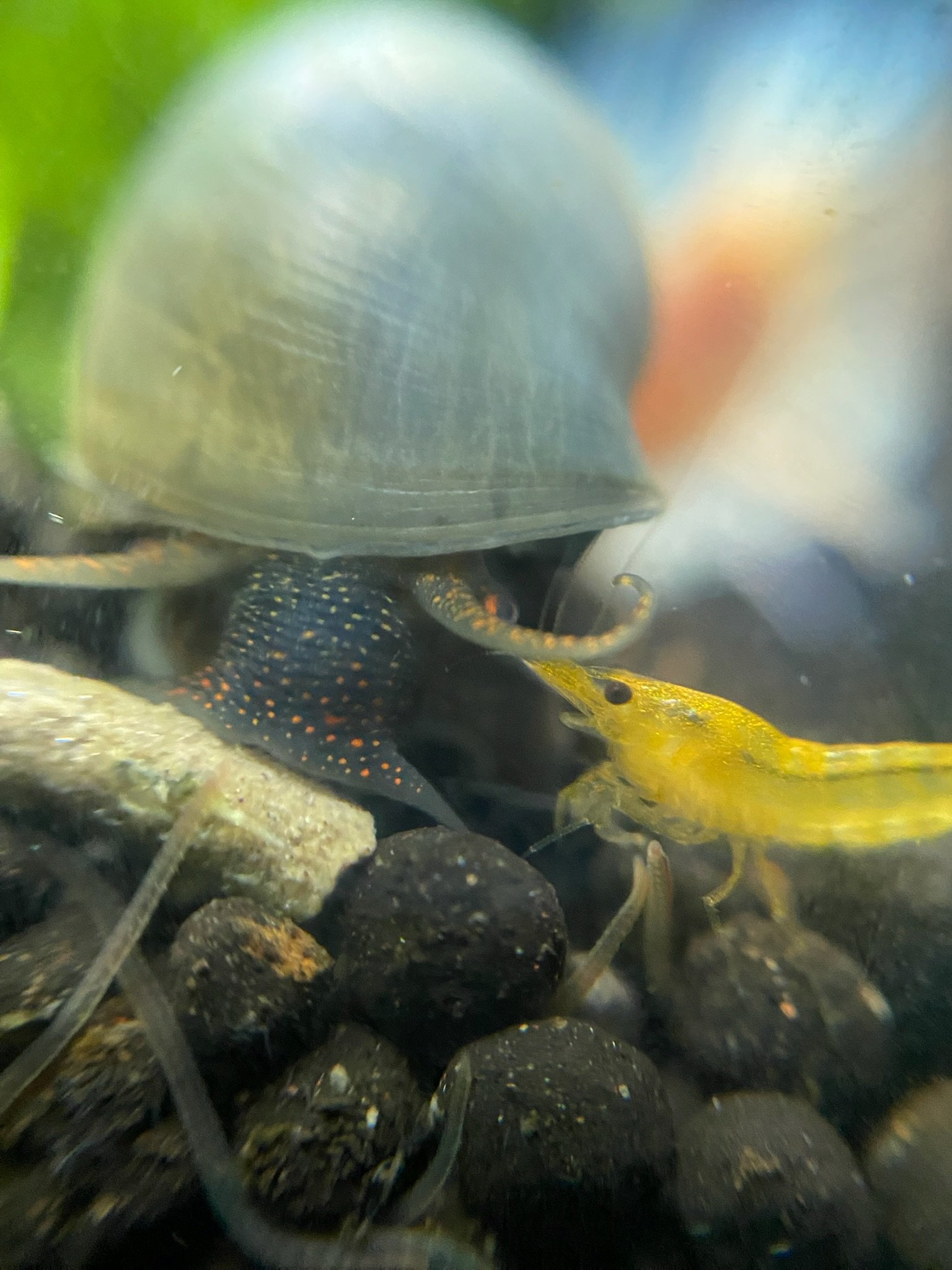
Like with Shrimp, Mystery Snails thrive in well-established aquariums with stable water conditions, plenty of surfaces to graze on, and areas to hide and rest. To achjeive this after the cycling process is complete leave the tank for another few weeks prefeably with the lights on a bit more than you would usually to build up small amounts of dust algae and give biofilm time to get going. If you notice hair algae immediately stop the excess light and manually remove it.
Tank Size: Minimum 20–30 litres per snail is ideal. Larger tanks are more stable and easier to maintain, especially for breeding or keeping multiple snails.
Substrate: Sand or fine gravel works best. Smooth surfaces protect their delicate foot and prevent shell damage.
Decor and Plants: Include rocks, driftwood, and live plants. Hardy plants like Java Moss, Anubias, or floating plants offer surfaces for grazing and hiding.
Filtration: Gentle filtration is preferred; strong currents can stress snails.
Established Tank: Ensure biofilm, algae, and microorganisms are present, which form a natural supplemental diet for your snails.
Water Parameters
Mystery Snails are hardy but sensitive to poor water quality and extremes in pH. Stability is more important than perfection.
Temperature: 20–28°C (room temp is fine)
pH: 7.0–8.0 (ideal 7.2–7.8)
KH/GH: Stable levels support shell growth
Ammonia/Nitrite: 0 ppm (snails are very sensitive)
Nitrate: <20 ppm
Providing stable water with regular maintenance, partial water changes, and gentle filtration will keep your snails healthy and active.
Feeding Mystery Snails
Mystery Snails are omnivores and grazers. They will eat biofilm, algae, and decaying plant matter in the tank but also benefit from supplemental feeding.
Staple Foods: High-quality snail pellets, sinking wafers, or algae-based foods
Moringa Powder: Mix a small amount into water and pour into nursery or breeder tanks to provide extra nutrients for juvenile and adult snails.
Vegetables: Blanched zucchini, spinach, and dark leafy greens
Calcium Sources: Cuttlefish bone, mineral blocks, or powdered calcium to maintain strong shells
Botanicals: Indian almond leaves or other safe plant matter make sure to not mske it too acidic
Occasional Treats: Small amounts of fruit are fine
A varied diet ensures healthy shell growth, active snails, and successful breeding.
Breeding
Adult snails reach maturity around 4–6 months.
Snails lay eggs above the waterline in clusters, often pink or orange, on tank walls or decorations.
Eggs take about 2–4 weeks to hatch, depending on temperature and humidity.
Only freshwater environments support the full life cycle — eggs outside water need to remain moist but not submerged.
Life Cycle
Egg Stage: Adult female Mystery Snails lay egg clutches above the waterline. Each clutch is often pink or orange and can contain dozens of eggs. Eggs typically take 2–4 weeks to hatch, depending on temperature and humidity.
Juvenile Stage: Once hatched, the snails are tiny and spend the majority of their early life as juveniles. During this time, they graze on biofilm, algae, and soft plant matter while growing and strengthening their shells. This juvenile period can last several months, during which proper nutrition, calcium supplementation, and safe hiding spaces are critical for survival and shell development.
Adult Stage: Mystery Snails reach maturity around 4–6 months, at which point females can start laying eggs themselves. Adults continue to graze and contribute to the ecosystem of the tank, maintaining algae and biofilm levels. With proper care, adults can live for 1–3 years, producing multiple generations over their lifetime.
By understanding these stages — eggs → juveniles → adults — hobbyists can better manage breeding, growth, and colony health, ensuring strong shells, vibrant colors, and high survival rates.
Tips for Heathy Growth and Breeding
Keep stable water parameters — sudden fluctuations harm eggs and juveniles.
Provide ample calcium for strong shells.
Avoid aggressive tankmates; some fish may harass or eat snails.
Maintain clean tanks with established biofilm and algae for grazing
For extra nutrition and improved survival rates, mix a small amount of moringa powder into water and gently pour it into the breeder boxes and nursery tanks. This provides juveniles with additional trace nutrients and encourages healthy growth.
Adding new snails from different breeders occasionally can help maintain genetic diversity and prevent colony weaknesses over time.
Final Notes
Mystery Snails are peaceful, colorful, and fascinating to watch. With a stable, established tank, proper diet, and calcium supplementation, they thrive in both breeding and display setups. Whether you’re keeping golden, blue, or panda varieties, this guide applies across all Pomacea species — making them perfect for beginner and experienced aquatic invertebrate hobbyists alike.
Titan Stick Insect Care Guide
Applies to all Titan Stick Insect (Acrophylla titan) husbandry in captivity
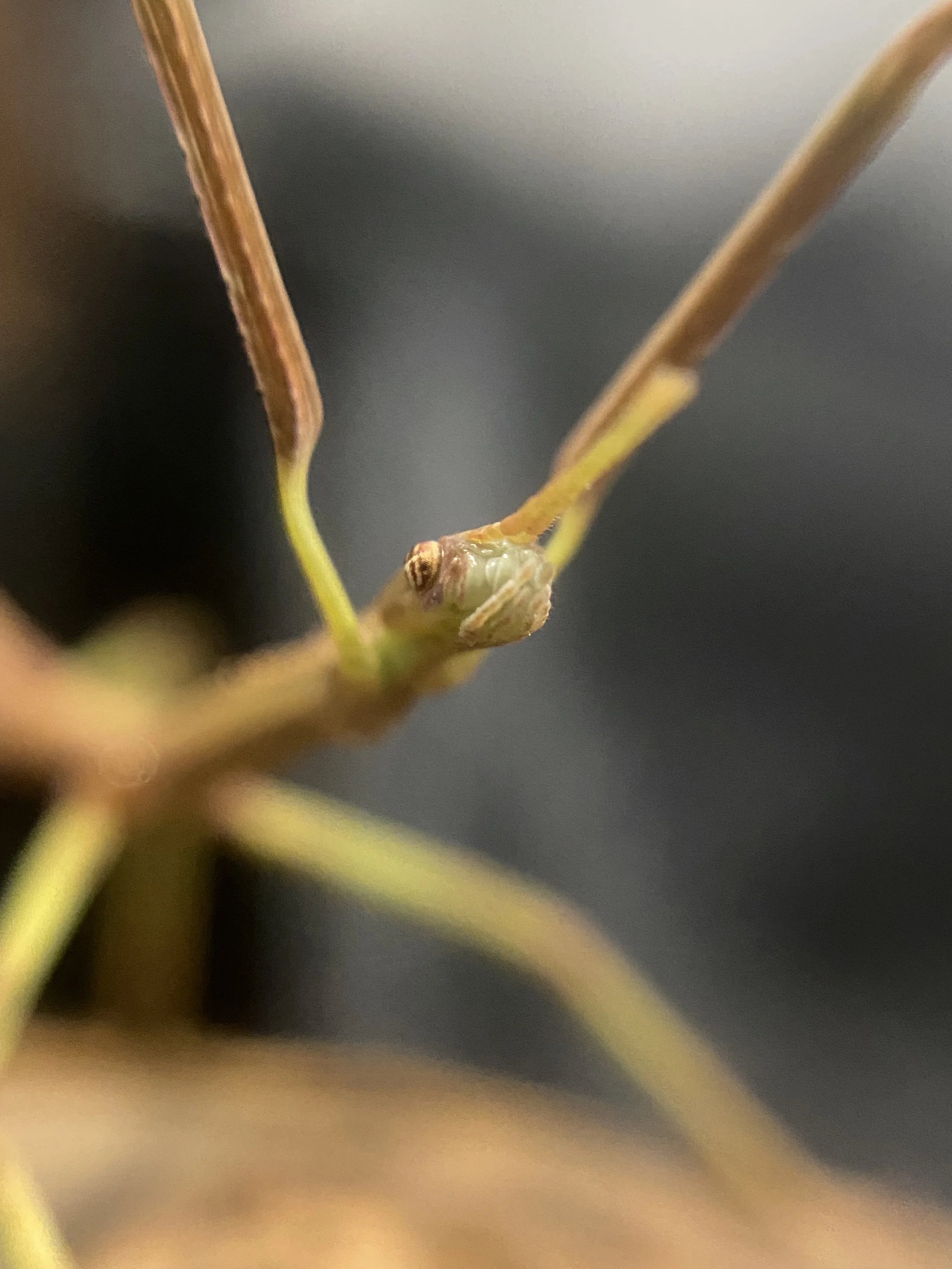
Titan Stick Insects are some of the largest and most impressive stick insects native to Australia. Known for their striking appearance and calm nature, they are a popular choice for insect enthusiasts and exotic pet hobbyists. In the wild, Titan Stick Insects inhabit forests and woodlands, feeding mainly on eucalyptus and other native leaves. Captive care focuses on replicating their natural environment, providing proper nutrition, and ensuring the right conditions for breeding.
This guide covers everything from tank setup, environmental requirements, feeding, and breeding, to help you maintain healthy, thriving stick insects.
Enclosure and Habitat Set-up
Creating a safe and comfortable environment is essential for Titan Stick Insects.
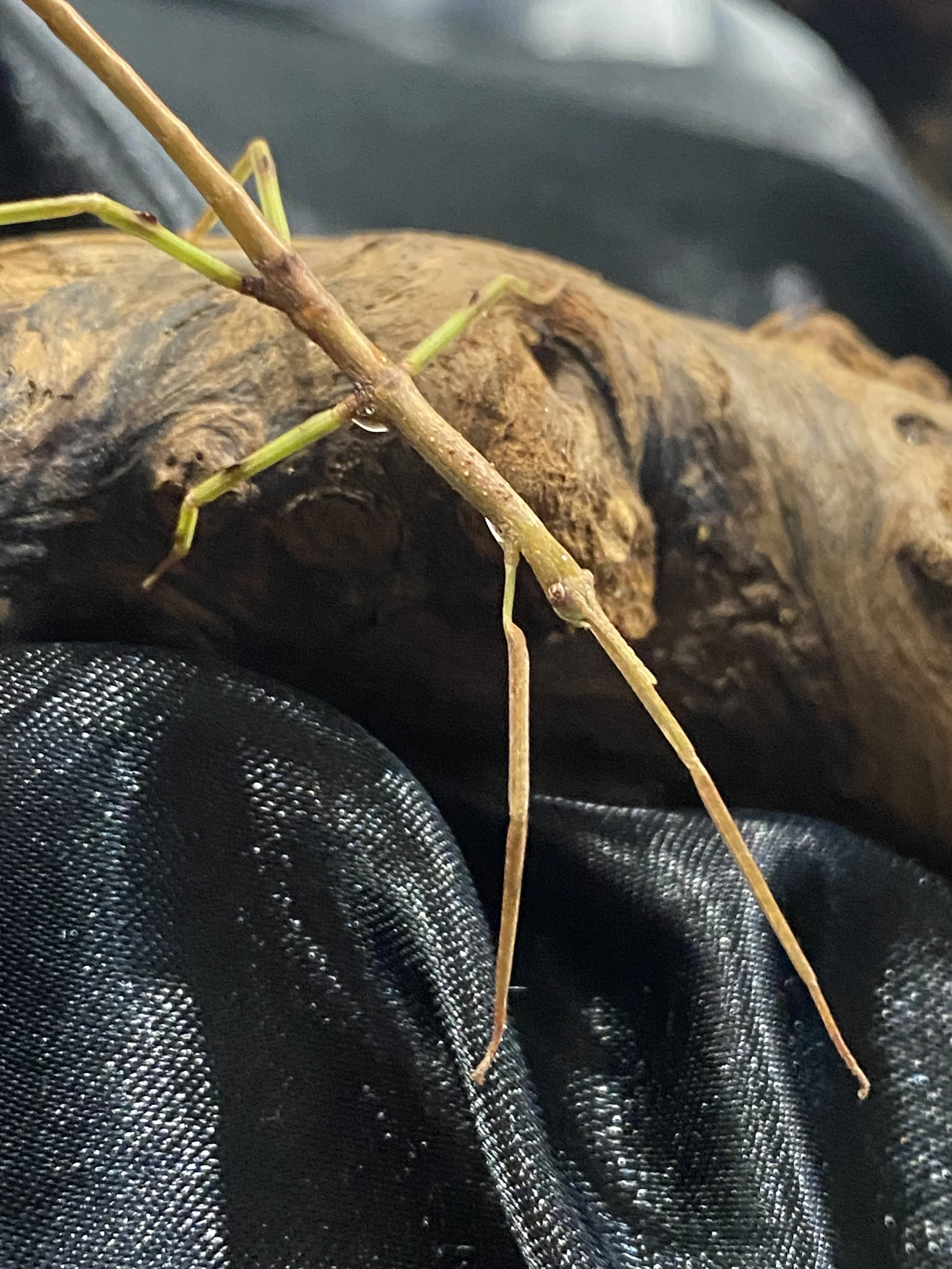
Size: Females can reach up to 35 cm, males around 25 cm. Enclosures should be a minimum of 3x the stick insect’s length in height and 2x in length and width, though bigger is always better.
They will need a jar of water for the leaves to sit in but have some form of protection so they dont drown I either drill holes into metal jar lids or coveer with fly screen and poke some holes for the leaves to go into.
Starting Small: It’s safer to start insects in smaller enclosures and move them to larger tanks as they grow.
Substrate Options:
Natural substrate like a humid dirt mix or bioactive substrate works well and encourages egg-laying, but will result in many eggs hatching.
Paper towels or puppy pads are recommended if you do not want large numbers of eggs hatching. Eggs on these surfaces must be removed and frozen to prevent accidental hatching later.
Climbing Surfaces: Include branches, spider wood, or natural sticks, ensuring they are sturdy and smooth to prevent injury.
Ventilation: Ensure proper airflow with mesh tops or side ventilation to prevent mold and fungal growth.
Humidity: Maintain 60–80% humidity, misting 1–2 times daily. Avoid water bowls or sponges as these can be dangerous and encourage mould or fungus
Environmental Requirements
Titan Stick Insects are relatively adaptable and thrive in typical household temperatures.
Temperature: 18–28°C; supplemental heating is generally not needed.
Lighting: Indirect light is sufficient; avoid direct sunlight that could overheat the insects.
Hiding Spaces: Add plants, branches, and leaves to reduce stress and provide cover.
Feeding Titan Stick Insects
Titan Stick Insects are herbivores and feed on fresh leaves.
Main Food: Eucalyptus leaves (preferably local, unsprayed).
Optional Variety: Bramble, oak, rose, raspberry, or blackberry leaves can be offered if available.
Water: Provide moisture only by misting leaves 1–2 times a day. Avoid sponges or water bowls.
Leaf Maintenance: Replace leaves once a week or as they begin to go “stale,” but before they dry out.
Breeding and Life Cycle
Titan Stick Insects have a fascinating reproductive cycle:
Parthenogenesis: Females can lay eggs that are clones of themselves; males are not strictly required for reproduction.
Recommended Males: Including males is beneficial — eggs hatch faster, genetic diversity is improved, and long-term colony health is stronger. Overseas, males have nearly gone extinct, so having at least one male is recommended.
Egg-Laying: Females can lay close to 30 eggs per day. Eggs are camouflaged and require stable, humid conditions.
Incubation: Eggs can hatch anywhere from 4 months up to 2 years depending on temperature and humidity.
Nymph Stage: Newly hatched nymphs are tiny versions of adults. Provide small leaves and low branches for climbing.
Growth to Adult: Nymphs molt multiple times over several months. Adults live 1–1.5 years with proper care.
Egg Management Tip: If you do not want eggs hatching continuously, remove eggs from the substrate and freeze them, or use paper towels/puppy pads as substrate for easier control.
Breeding Tips:
Maintain consistent humidity and temperature.
Provide plenty of climbing structures and fresh leaves.
Keep substrate clean and lightly moist.
Start young nymphs in smaller nursery enclosures if needed to reduce competition.
Invasive Potential
Titan Stick Insects (Acrophylla titan) are native to Australia, but like many exotic invertebrates, releasing them into the wild can cause ecological issues. While they are generally not considered highly invasive, it’s important to never release captive insects into local ecosystems.
Captive-bred Titan Stick Insects are adapted to your controlled environment and may not survive in the wild.
Eggs are resilient and can potentially hatch if discarded improperly, leading to accidental establishment in local areas.
Females can lay up to 30 or more eggs per day which could out compete other species native to that area.
Responsible disposal is crucial: remove eggs and freeze them before disposal, or use paper towels/puppy pads for substrate to prevent unintentional hatching.
Titan Stick Insects should be kept in secure enclosures to prevent escapes and protect both the insects and the local environment.
By following responsible husbandry practices, you can enjoy keeping these fascinating insects without contributing to ecological risks.
Final Notes
Titan Stick Insects are gentle, fascinating creatures that thrive when given a stable, naturalistic environment with fresh leaves, proper humidity, and secure climbing spaces. With good care, they grow, molt, and reproduce successfully, providing hobbyists with a long-lived, fascinating, and self-sustaining colony.
Whether you are a beginner or experienced exotic pet enthusiast, Titan Stick Insects are one of the most rewarding invertebrates to keep in Australia.