
Cherry Shrimp (Neocaridina) Care Guide:
Cherry Shrimp (Neocaridina) Care Guide:
Applies to all colours & varieties of Neocaridina shrimp
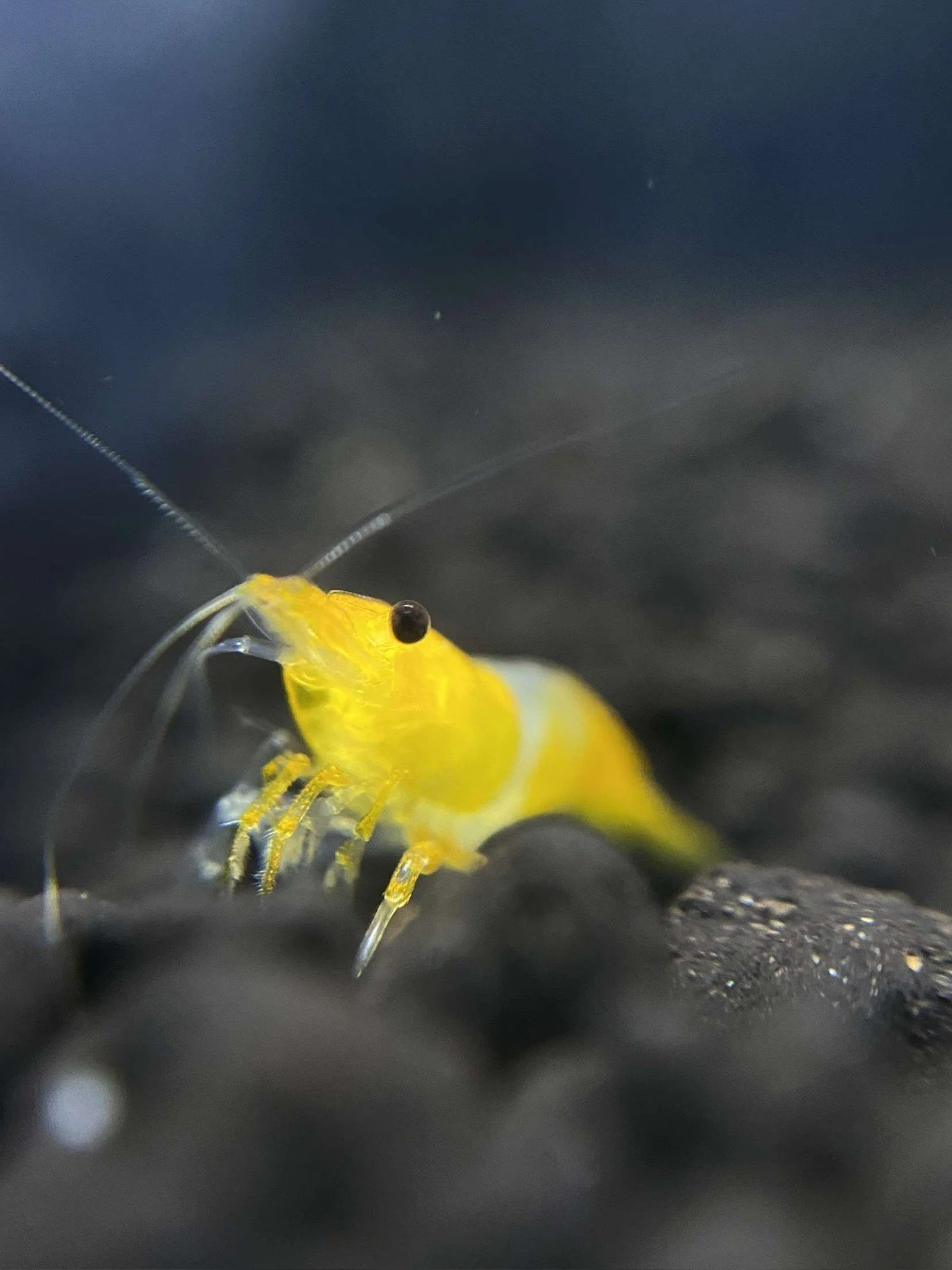
Cherry Shrimp, often simply called “Neos,” are one of the most popular freshwater shrimp for aquariums. Originally from Taiwan and other parts of East Asia, Neocaridina davidi are naturally found in slow-moving streams, ponds, and densely planted waterways. Their wild form is usually a translucent brownish colour, but through selective breeding, hobbyists have developed the incredible range of vibrant colours we see today — from bright red to blue, yellow, orange, green, and more.
In the wild, Neos thrive in environments rich with rocks, plants, and leaf litter, where they graze on biofilm, algae, and decaying organics. This natural diet and habitat are the foundation for their care in aquariums. Despite the many color morphs, all Neocaridina shrimp share the same care needs.
This guide will walk you through everything you need to know about setting up a tank, creating the right environment, and feeding your shrimp for long-term success.
Tank Set Up and Establishing the Aquarium
A successful shrimp tank is about more than just cycling — it also needs to be established. That means the tank should have plenty of natural “shrimp food” like biofilm, microorganisms, and even small amounts of algae growing. These provide constant grazing opportunities, which are critical for shrimp health, especially for baby shrimp.
Shrimp can be kept in many styles of aquariums depending on your goals:
For Breeding Quality Shrimp:
I personally like using the 20L Kmart tanks. Their smaller size makes it easier to spot shrimp with imperfect coloring, ensuring high standards in breeding. A smaller tank can also help focus on quality over quantity.For Higher Yields:
Larger tanks are more stable and usually produce more shrimp overall, but the quality can sometimes be harder to maintain compared to smaller, selective breeding tanks.Shrimp-Only Displays:
Your imagination is the limit! From beautifully aquascaped planted tanks to simple moss and wood setups, shrimp will thrive in any established environment as long as water quality and food are right.
Water Parameters
Neocaridina shrimp are adaptable and thrive in a wide range of stable conditions. I keep mine at room temperature with a pH around 7.4, but they do well anywhere between 6.5–8.0.
The golden rule for shrimp is stability over perfection. Don’t chase numbers — fluctuating water parameters cause more problems than a slightly imperfect pH or hardness.
Temperature: 18–26°C (room temp is fine)
pH: 6.5–8.0 (ideal around 7.0–7.6)
KH/GH: Stable levels are more important than exact numbers
Ammonia/Nitrite: 0 (shrimp are extremely sensitive)
Nitrate: <20 ppm preferred
Clean, stable water with gentle filtration is the foundation of healthy shrimp keeping.
Feeding Neocaridina Shrimp
Shrimp thrive on a varied diet. While they’ll constantly graze on biofilm, algae, and botanicals in the tank, they also need supplementary feeding for strong growth, healthy molts, and good breeding.
Here’s what I feed mine:
Staple foods: High-quality shrimp pellets rich in protein and calcium
Fresh foods: Blanched vegetables like spinach, zucchini, or cucumber
Botanicals: Indian almond leaves, cholla wood, and other botanicals for grazing
Mulberry leaves: A big favorite among shrimp
A Secret Superfood: Moringa Powder
One of the best things I’ve added to my shrimp’s diet is moringa powder — yes, the same human superfood! After seeing my partner use it, I researched its nutritional content and decided to try it for shrimp. It turned out to be one of the best decisions I’ve made.
I add moringa to homemade frozen foods, and sometimes after a female drops a new batch of shrimplets, I’ll mix a little moringa into water and pour it into the tank. It’s messy, but the results are amazing — I’ve seen a noticeable spike in baby shrimp survival rates thanks to the extra nutrition.
Breeding and Life Cycle of Neocaridina Shrimp
One of the most fascinating aspects of keeping Neocaridina shrimp (Cherry Shrimp or “Neos”) is observing their entire life cycle — from tiny shrimplets to vibrant adults. Understanding their breeding habits and growth stages will help you maintain a healthy, thriving colony.
Breeding
Neocaridina shrimp are prolific breeders and don’t require complicated conditions to reproduce. The key is a stable, established tank with plenty of biofilm, moss, and other natural grazing surfaces.
Mature females develop a “saddle,” a yellow or green patch behind their head that holds developing eggs.
Once ready to mate, females release pheromones that attract males.
After mating, the female carries fertilized eggs under her tail, constantly fanning them to keep them oxygenated.
Eggs hatch in 3–4 weeks, depending on water temperature.
Life Cycle
Shrimplets: Baby shrimp hatch fully formed and tiny. They immediately start grazing on biofilm, algae, and small particles in the tank. Providing moss, leaf litter, and botanicals helps them hide and feed safely.
Juveniles: Over the next few weeks, shrimplets molt repeatedly and grow larger. Regular feeding with a mix of high-quality shrimp pellets, blanched vegetables, and occasional superfoods like moringa powder improves survival and growth rates.
Adults: After 4–6 months, shrimp reach maturity and begin the cycle again. Females develop their first saddle, males become more active, and breeding continues.
Tips for Healthy Breeding and Growth
Maintain stable water parameters — sudden changes can kill eggs or shrimplets.
Provide plenty of hiding spots like moss, cholla wood, and leaf litter.
Avoid aggressive tankmates — even small fish may prey on baby shrimp.
Feed a varied diet rich in protein, calcium, and trace nutrients to support healthy molts and strong offspring.
Add New Genetics — Occasionally add new genetics to your shrimp lines to help prevent inbreeding, shrimp bred in different tanks from the same original shrimp will over time create genes quite different to their siblings from other tanks. This is a good choice if you don’t want to risk mixing lines this is an option but getting shrimp from a new breeder each time will vary the genetics the most. Without doing this the colony willl eventually become weak and make start to slow down and die off.
Two Types of Breeding Tanks
Selective Breeding (Quality-Focused): Smaller tanks (~20L) allow you to monitor individual shrimp, cull weaker color morphs, and maintain high-quality lines.
Large Colonies (Quantity-Focused): Bigger tanks produce more shrimp overall but make it harder to maintain selective quality control.
By providing the right environment and diet, your Neocaridina shrimp will thrive and produce multiple generations, giving you a beautiful, self-sustaining colony over time.
Final Notes
Neocaridina shrimp are hardy, colourful, and endlessly fascinating to watch. With a stable, well-established tank and a varied diet, you’ll not only enjoy their beauty but also see them thrive and breed for years to come.
Whether you’re keeping reds, blues, yellows, or rarer colours, this guide applies to all Neocaridina shrimp varieties — making them one of the best starter invertebrates for Australian hobbyists.
