
 Image 1 of 3
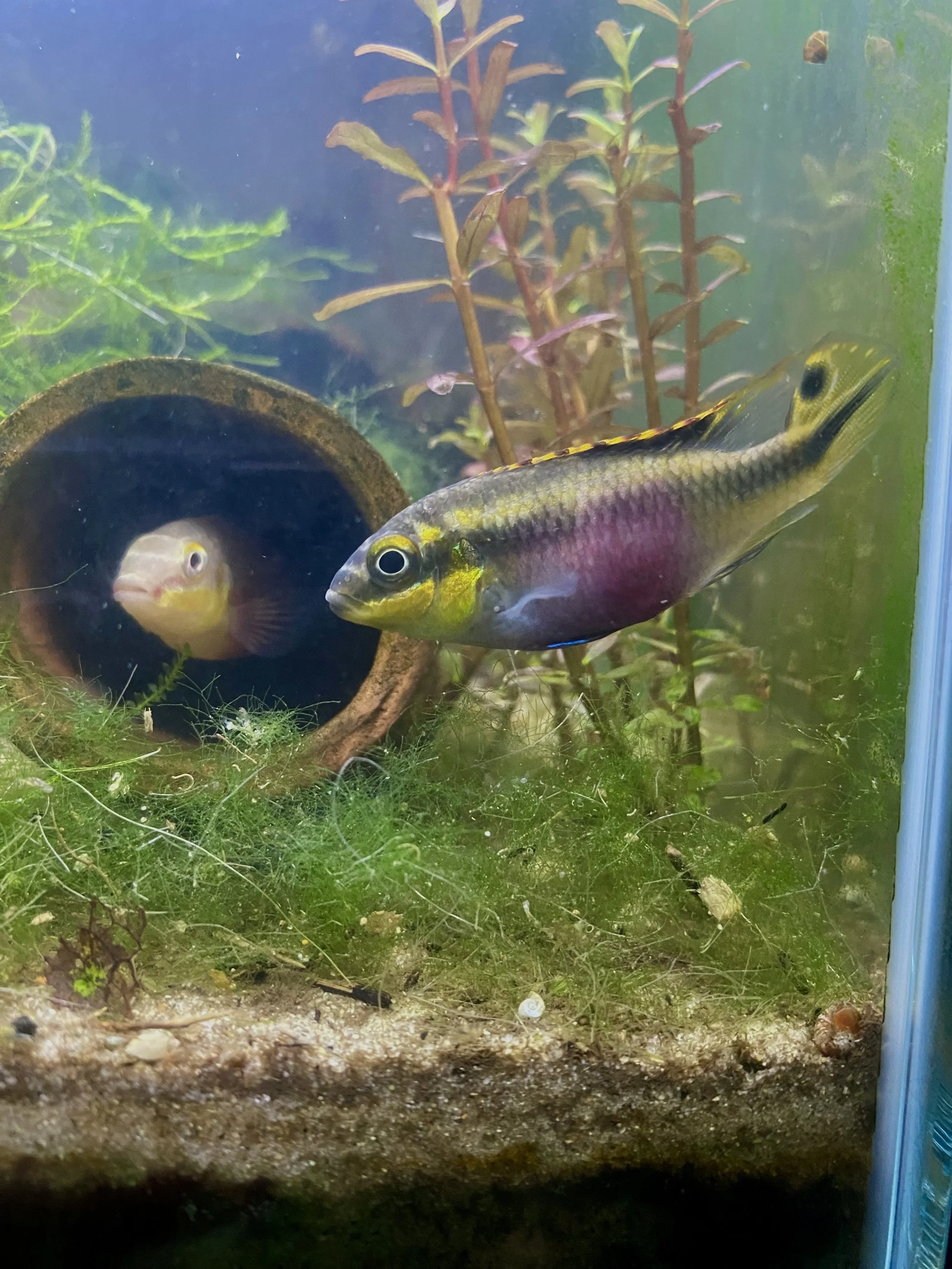 Image 2 of 3
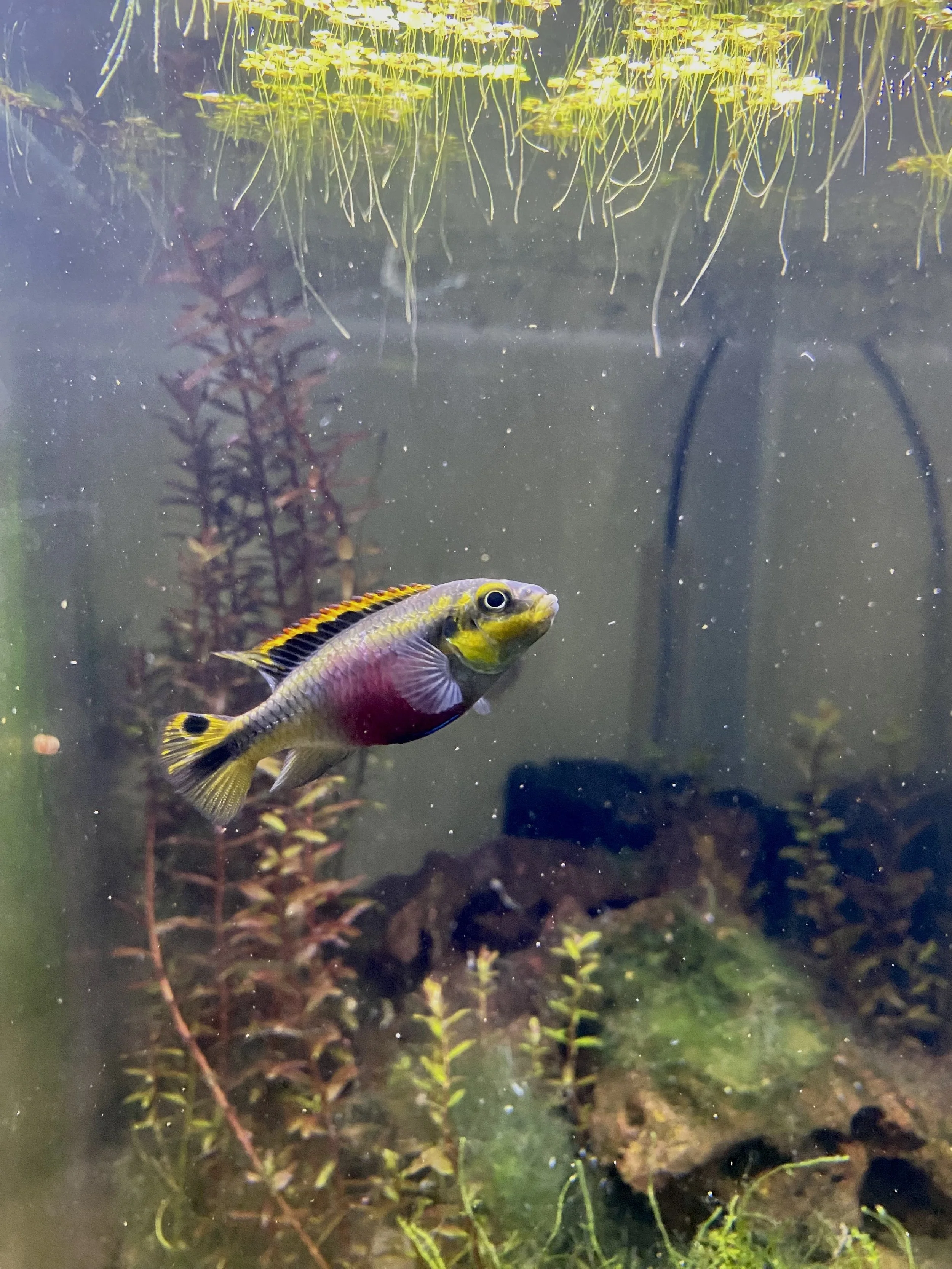 Image 3 of 3
Juvenile Kribensis (Pelvicachromis pulcher) – Live African Cichlid Australia
Introduce colour, personality, and fascinating behaviour to your aquarium with our Juvenile Kribensis, a popular West African dwarf cichlid prized for its intelligence, peaceful nature, and stunning adult colours. Sold as juveniles, these Kribensis are ideal for aquarists wanting to watch their fish mature naturally and develop their full coloration over time.
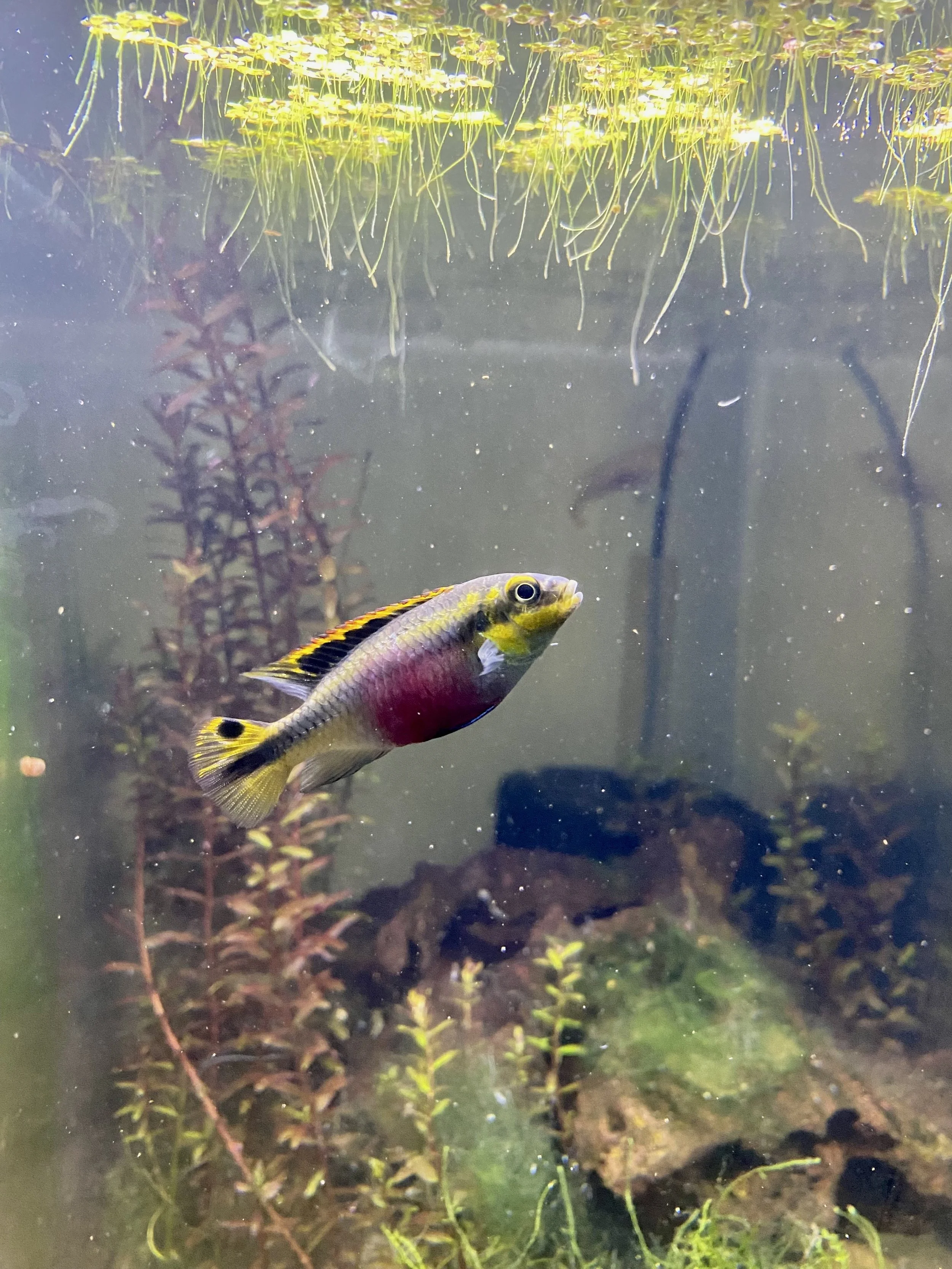
Kribensis are hardy, adaptable, and well-suited to community or species tanks when kept with compatible fish. As they grow, they display vibrant reds, purples, yellows, and blues — especially impressive during breeding condition. Kribensis originate from slow-moving streams, creeks, and small waterways in West Africa, where the water is typically softer and more neutral than the hard, high-pH conditions associated with many African rift lake cichlids. Because of this, their care requirements are much closer to American dwarf cichlids than to species like Malawi or Tanganyika cichlids, and they thrive in moderately soft water with neutral to slightly acidic pH. Kribensis are one of the most peaceful cichlids available, making them excellent community fish; however, when breeding they become highly protective parents. During this time, a larger aquarium is recommended if they are kept in a community setup, as breeding pairs will actively defend their territory and keep other fish well away from their fry. They are extremely dedicated and attentive caregivers, and this behaviour is fascinating to observe — parents will take their fry on regular “field trips” around the tank in search of food, closely supervising them at all times. If a perceived threat approaches, the adults will rapidly shake to warn the fry, which will immediately retreat back to their cave or drop down onto the substrate.
Key Features
Juvenile Kribensis (Pelvicachromis pulcher)
Hardy, beginner-to-intermediate friendly African cichlid
Peaceful temperament compared to many other cichlids
Fascinating behaviours including cave use and pair bonding
Ideal for community tanks with compatible tank mates
Colours intensify as fish mature
Care & Tank Requirements
🌡️ Temperature: 24–28°C
💧 Water Parameters: pH 6.0–7.5; soft to moderately hard water
📏 Tank Size: Minimum 60 litres (much larger recommended for communities with hidden tunnels like bristlenose caves in secluded parts of the tank to avoid aggression if they breed)
🍽️ Diet: Omnivorous – quality pellets, frozen foods, live foods, and occasional vegetable matter
🪨 Setup Tips: Provide caves (coconut shells, rockwork, driftwood), sand or fine gravel substrate, and planted areas for shelter and natural behaviour
Temperament & Compatibility
Kribensis are generally peaceful but may become territorial during breeding. Best kept with calm community fish such as tetras, rasboras, Corydoras, and other non-aggressive species in a large heavily planted tank. Avoid housing with aggressive or overly boisterous tank mates.
If you are interested in breeding Kribensis, it is recommended to start with a group of 4–6 juveniles, as they are still too young to be sexed with certainty. Purchasing a small group greatly increases the likelihood of ending up with both a male and female, allowing a natural pair to form as they mature. This approach often leads to stronger pair bonds and more reliable breeding behaviour once they reach adulthood.
Shipping & Availability
We ship live Juvenile Kribensis safely and securely throughout QLD, NSW, VIC and SA, using insulated packaging designed for live arrival.
Flat-rate shipping
Add a Classic Dwarf Cichlid to Your Aquarium
Bring home Juvenile Kribensis and enjoy watching these intelligent, colourful fish grow and thrive in your aquarium.
👉 Order today — we ship throughout QLD, NSW, VIC & SA.
NOTE: Pictures are showing a mature female in breeding colouration. Juveniles will not arrive this brightly coloured and males will have pointed elongated colourful fins when mature and not have as bright of a belly but colour may go up to the chin I only have an Albino male so do not have examples of mature male specimens.