
The Truth About “Cleaner Fish” in Aquariums: What Actually Works (and What Makes Things Worse)
Cleaner fish, algae eaters, and bottom feeders are some of the most misunderstood animals in the aquarium hobby. Many beginners believe these species will magically clean a tank, remove algae, and eat leftover waste — but the truth is far more complex. In some situations, adding these animals actually creates more mess, increases bioload, and makes existing problems worse.
This guide breaks down the truth about algae eaters, which species actually help, and how to solve algae problems at their root cause.
Are Algae Eaters Good for Your Aquarium?
Before buying algae eaters, you need to understand what is causing your algae growth. The source of the problem determines whether an algae eater will help or worsen the situation.
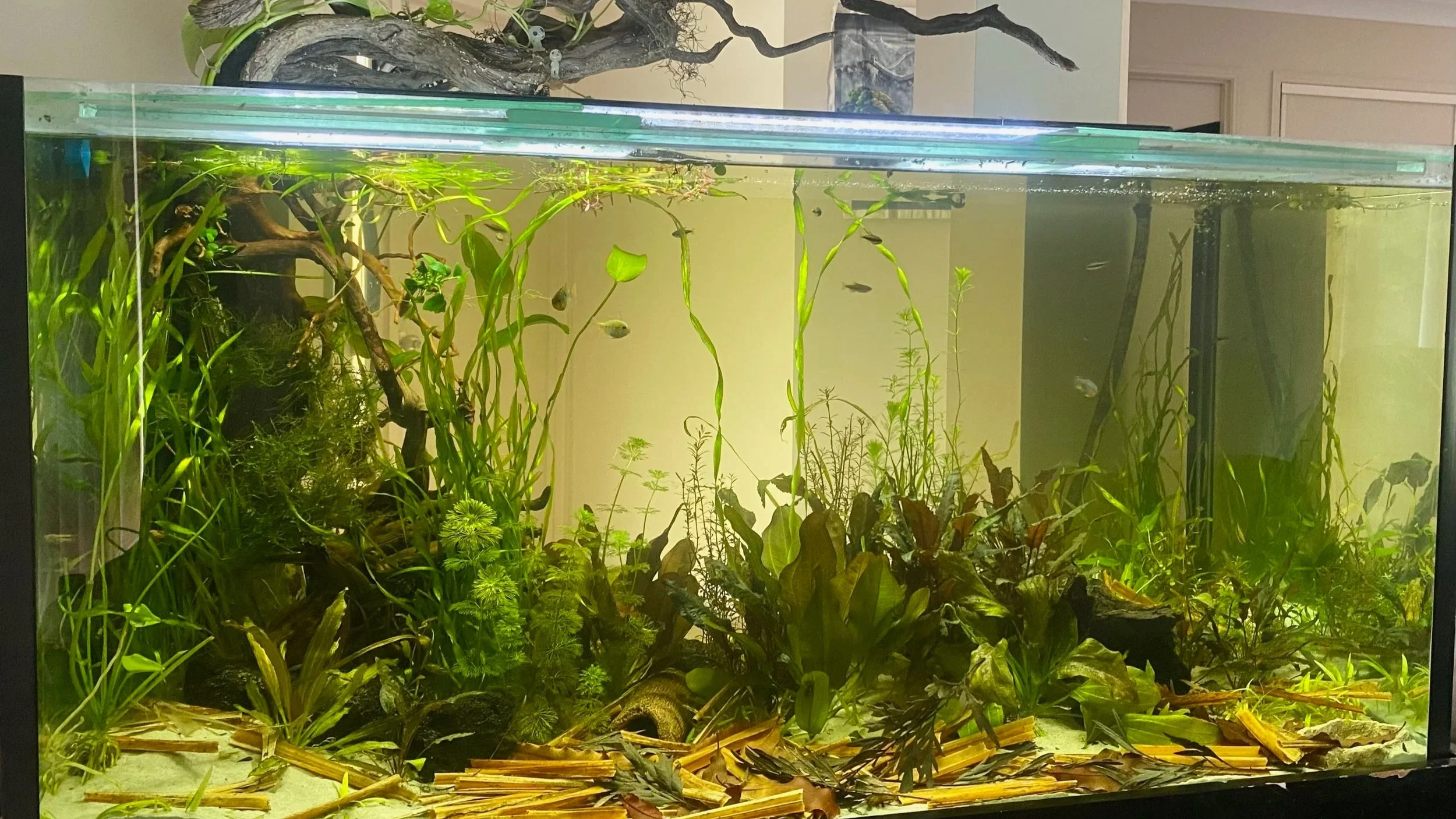
1. Algae Caused by Too Much Light
If your tank:
Sits near a window
Has lights on too long
Uses lighting too strong for your setup
…then algae is growing because of excess light exposure. In these cases, adding an algae eater can help manage soft algae build-up because the algae is growing faster than the tank can naturally balance.
2. Algae Caused by Excess Nutrients (Nitrates/Phosphates)
If your algae is caused by:
Overfeeding
Overcrowding
Infrequent water changes
Weak filtration
…then adding algae eaters will most likely make the problem worse.
Why? Because you’re adding more fish → which adds more waste → which adds more nutrients → which feeds even more algae.
The correct fix for nutrient-driven algae includes:
Increasing water change frequency
Reducing feeding
Adding floating plants
Adding fast-growing stem plants like milfoil, hornwort, or water sprite
adding floaters these use atmospheric co2 so can use more nutrients that plants that solely rely on the amount of tank dissolved in the aquarium water
Growing houseplants from the tank (pothos, peace lily, etc.)
Improving filtration and flow
considering if you have over stocked your tank and making a plan for livestock if you have
These plants and changes correct the cause, not just the symptoms.
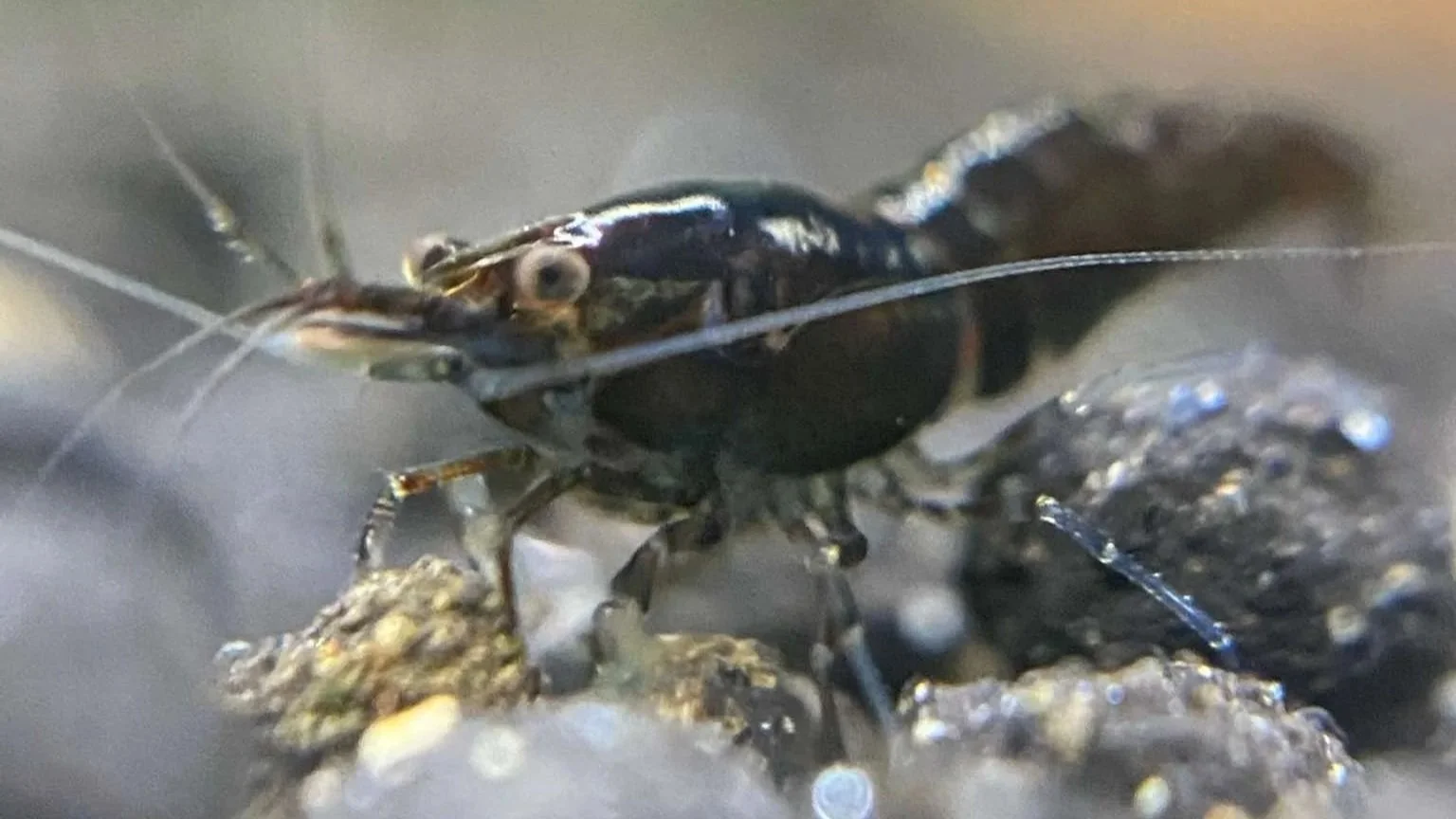
Blackrose Cherry Shrimp (Neocaridina var Black Rose)
Click the image to learn more or add these shrimp to your tanks
Why Most “Cleaner Fish” Don’t Actually Clean
Many species sold as “cleaners” actually produce more waste than they remove and still require feeding. Which sadly a lot of people don’t realise at first which leads to nutrient deficiencies, or worst case starvation A key to remember here is if your algae eating fish does it’s job well there is not algae. Right? Which means they have very little to no food.
Mystery Snails
While popular, mystery snails:
Eat more prepared food and veggies than algae
Produce large amounts of waste
Do not solve algae issues
Will only clean-up leftover food
They’re fun pets — but they are not cleaners.
Bristlenose Plecos
Bristlenose plecos are often advertised as algae eaters, but adult bristlenose:
Rarely eat algae once fully grown
Need regular vegetables and wafers
Produce large amounts of waste
Again mostly clean by eating left-overs
If you’re hoping they’ll clean your tank, you’ll be disappointed.
Tiger Plecos, L397, and Other L-Number Plecos
Most L-number plecos do not eat algae at all.
They typically feed on:
Wood (xylivores)
Biofilm
High-fibre prepared foods
Protein-based diets depending on species
These plecos add significant bioload and require specialised diets.
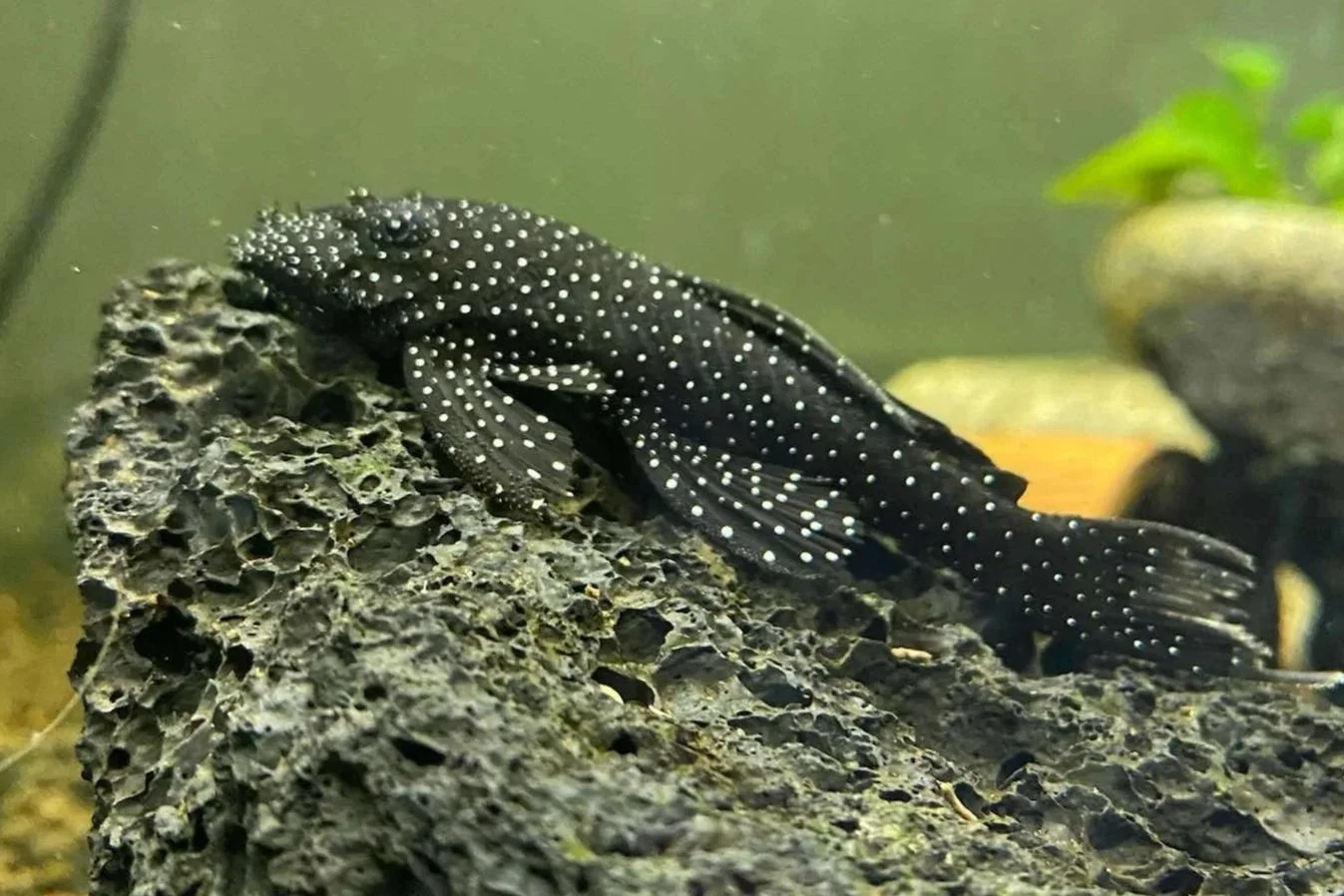
Peppermint Bristlenose (Ancistrus sp)
The Myth of “Waste-Eating Fish”
No fish or snail eats fish waste. They might accidentally but most will spit it out with much embarrassment I swear, but no fish can solely rely on the waste of other animals.
Poop is already fully digested organic matter — nothing will “clean” it by eating it. Also nothing will take out the ammonia beside water changes or the nitrogen cycle and plants, which is what really effects the cleanliness of a tank. Mulm and algae don’t entirely make the tank bad or unhealthy in most cases they help create a thriving ecosystem. Algae on it’s own doesn’t instantly equal a gross unclean tank but the reason for the algae does. Algae from excess light is fine it just works like any other plant and produces more oxygen than any other plant you could put in your tank, but algae caused by excess nutrients specifically nitrates is a cause for concern as the nitrates can build up to unhealthy or toxic levels the algae is helping you out in this case keeping your pets safer by eating up this nitrate.
The only way waste gets removed is by:
Regular gravel vacuuming
Adequate water changes
Proper filtration
Good flow and circulation
Which Species Actually Help a Tank Stay Clean?
It depends on the specific problem you want to solve.
Soft Algae Control
Otocinclus
Great for soft green algae and diatoms when kept in groups.
They do NOT eat hair algae or black beard algae.
Neocaridina Shrimp
Good for soft algae on wood and biofilm, but not strong against tougher algae types.
Hair Algae and Black Beard Algae Control
The most effective shrimp include:
Queensland Algae Shrimp
Amano Shrimp
Long-Nosed Shrimp
However, they only target these algae when no other food is available.
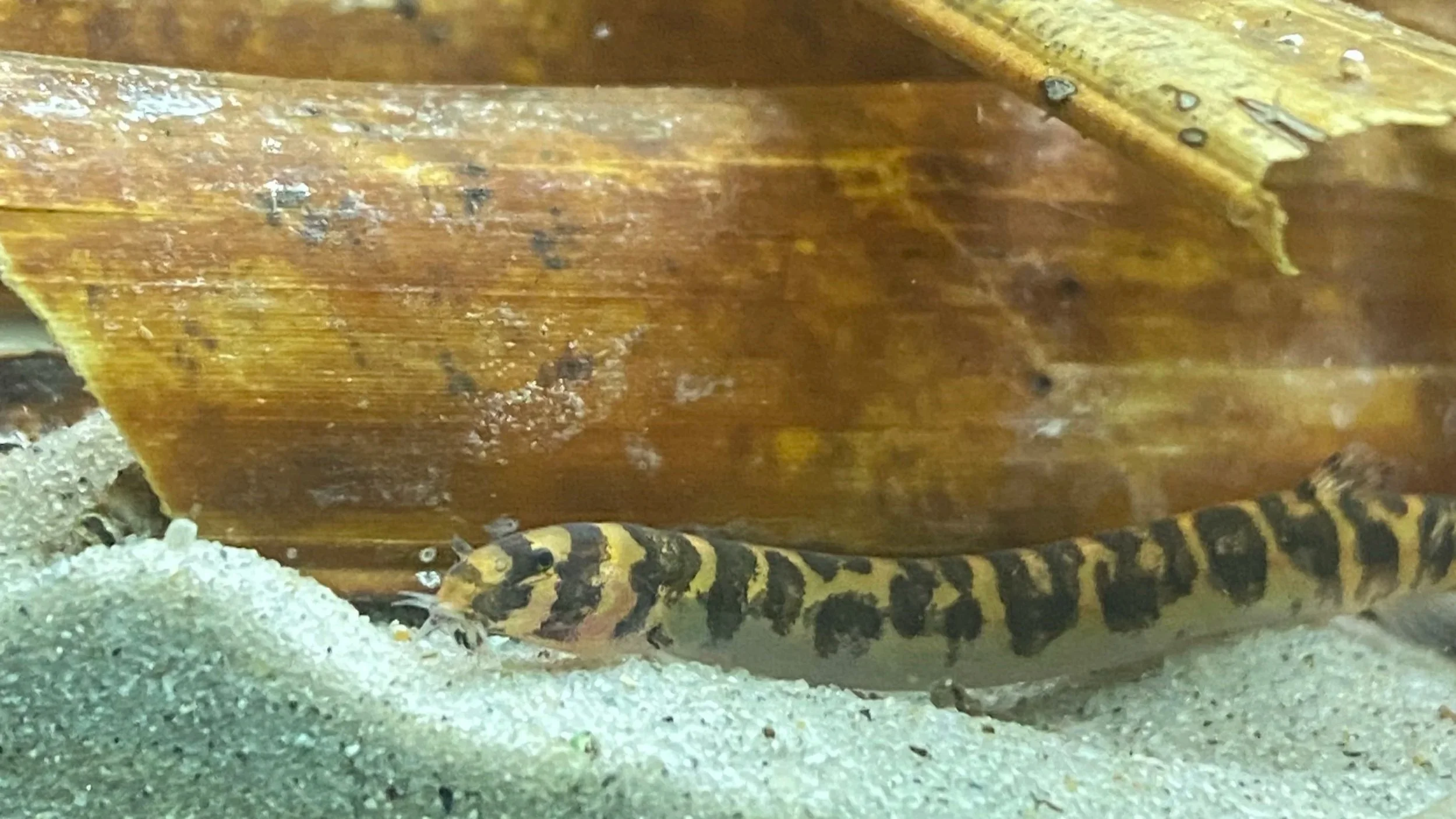
Pygmy Tiger Kuhli Loach (Pangio shelfordii)
The Only True “Cleaner” Fish: Bottom Foragers
Bottom foragers don’t eat waste — but they move it so the filter can remove it.
I’ve found bottom foraging fish to be the only true cleaner fish they graze/forage constantly cleaning up left overs that other fish may have lost, reducing ammonia building up from excess lost food. Another way they help out is by getting into those tight spots that are exceptional at collecting waste, food and build-up whilst searching for that tiny titbit of food they flick everything up into the water column and with proper filtration this will get picked up and you can remove it with regular filter maintenance. I recommend strongly using a pre filter sponge that way all the big chunks get caught in this and it is very very easy to remove more often and without shocking or interrupting your filters beneficial bacteria colony. They also help by burying the excess waste and build up into the substrate which means your plants can turn this into nutrients they can use to thrive.
Kuhli Loaches
Khuli loaches are my absolute favourite cleaning buddies. These fish do a remarkable job at sifting through the sand burying waste for plants roots to access, they can get into very very tight dead spots and flick out waste and aerate the substrate, helping prevent anaerobic pockets and mixing decaying plant matter into the substrate by doing this the aeration of the substrate prevents roots from rotting and helps them stay healthy for eating up all the waste that gets buried.
Corydoras
Corydoras help stir debris out of dead spots and lift mulm into the water column where the filter can capture it. They keep the tank looking tidier without increasing mess as much as some other fish and are very active foragers. My personal cory choice are Pygmy Cories these are extremely small fish meaning they create a lot less waste than they larger counter-parts. Their small size doesn’t impact their cleaning ability if anything they are better as they can fit into small gaps. I also like that you can add a much better school of them to see their full natural behaviours and it improves their quality of life.
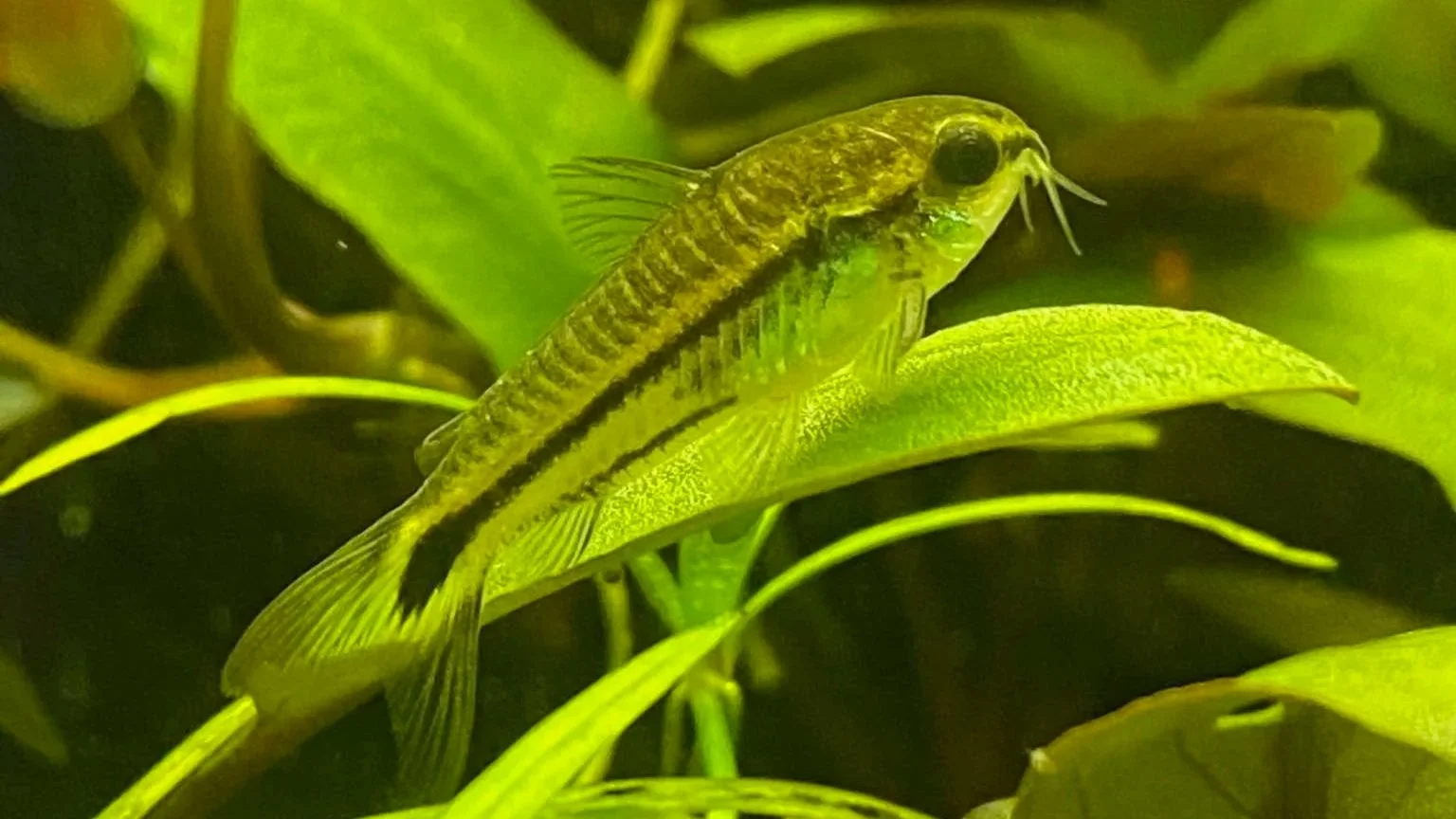
Pygmy Cory (Corydoras pygmaeus)
Should You Get Cleaner Fish at All?
Cleaner fish and bottom feeders can be beneficial only under the right circumstances.
Good reasons to get them:
✔ You genuinely like the species
✔ You’re adding them as part of initial stocking to help prevent future build-up
✔ You understand their behaviour and diet
✔ You’re not expecting them to fix an existing algae or waste problem
Bad reasons to get them:
✘ “To clean my tank for me”
✘ “To eat fish poop”
✘ “To fix algae caused by poor maintenance”
✘ “To avoid water changes”
Final Takeaway
Cleaner fish can be useful — but only when chosen for the right reasons. They should never be used as a shortcut for poor tank maintenance or as a “fix” for existing algae problems.
You should only get bottom feeders or cleaner-type fish if you truly like them, or as part of your initial stocking to help prevent problems before they start. But always research their behaviour and purpose — a kuhli loach won’t help with diatom algae, and a pleco won’t fix nutrient issues.
When it comes to aquarium health, the real solutions are always:
Good maintenance
Balanced feeding
Proper lighting
Strong plant growth
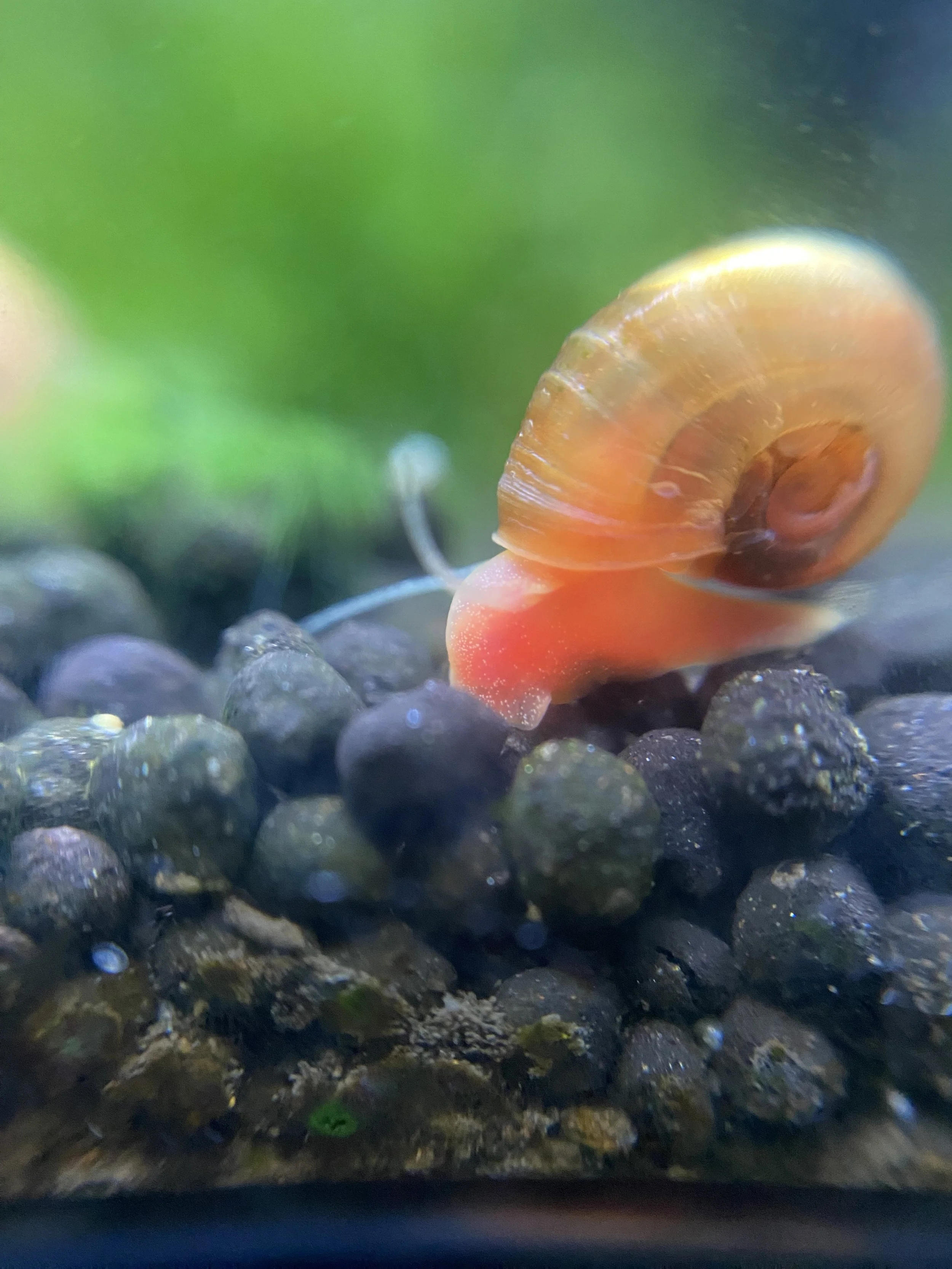
Gold Red Foot Ramshorn Snail
Click the image to learn more or add these shrimp to your tanks
