
How to Properly Acclimate Your New Shrimp — Drip Acclimation Guide
So you’ve seen people say you should “drip acclimate your shrimp”… but is this even really necessary?
Before doing anything, the very first step is inspecting the bag. Check the shrimp through the plastic before opening it.
If the shrimp appear very sickly
If some are dead or close to dying
If something looks off or unusual
Stop, take photos and videos while the bag is unopened, and contact me immediately so we can arrange something.
If you purchased from someone else, contact the seller right away.
Even if I’ve packed extras and you still received the full amount you paid for—or more—please still let me know. I track every shipment closely so I can improve my packing and shipping practices over time. While DOAs are very rare, unexpected things can happen during transit—rough handling, temperature spikes, or delays. Keeping me updated helps me monitor shipping conditions and refine my packing methods.
Once everything looks okay, it’s time to acclimate properly.
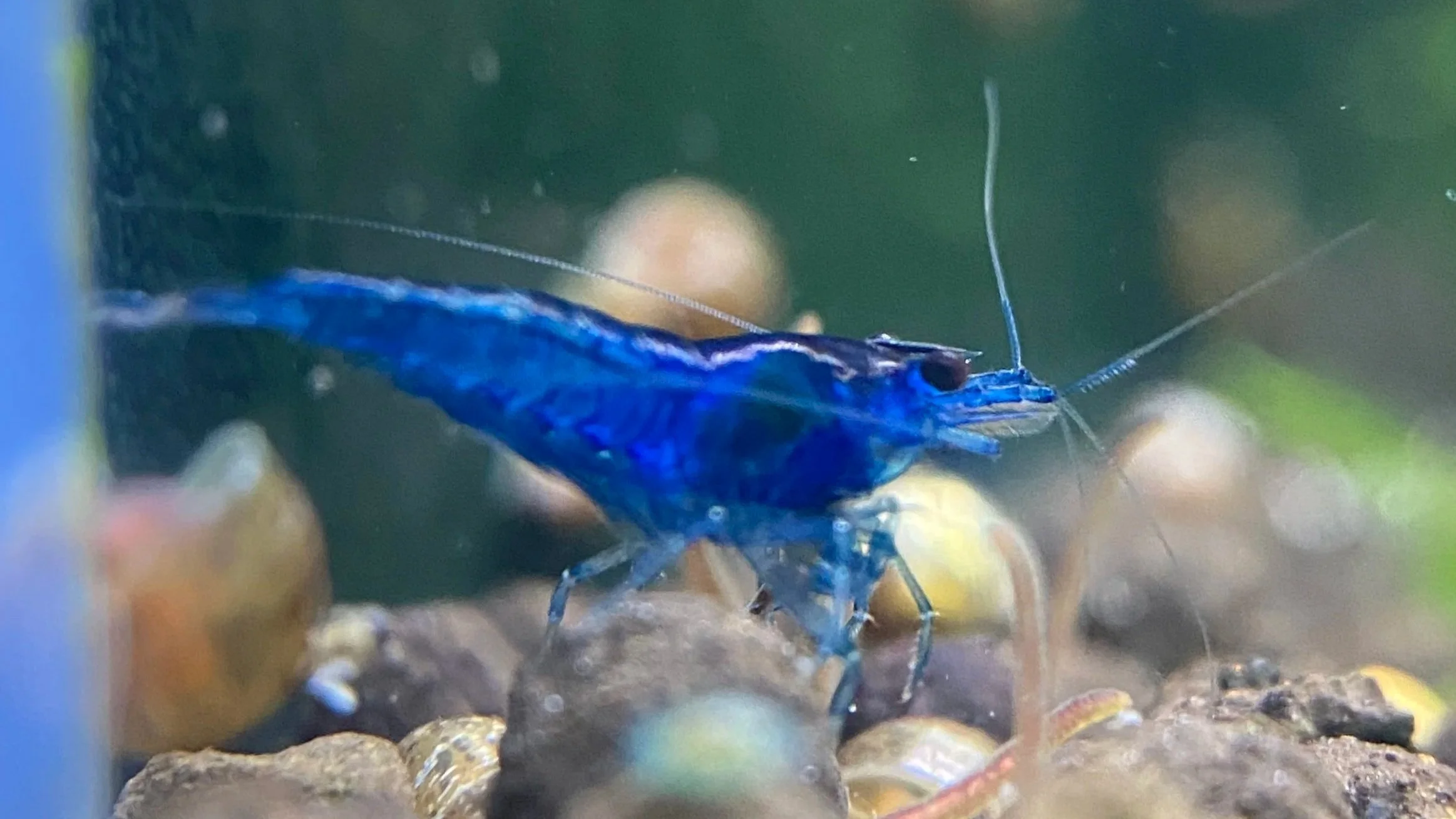
One of our beautiful Blue Dream Shrimp to get your own just like him click the image
Why Drip Acclimation Works Best for Shrimp
Shrimp are extremely sensitive to changes in:
pH
TDS
GH/KH
Temperature
Ammonia levels
Even small swings—especially during transport—can lead to stress or delayed deaths over the next 24–72 hours. Drip acclimation slowly matches your tank water to the shipping water over time, preventing sudden shock.
You can buy fancy drip kits, but honestly:
I just use airline tubing with a simple knot to create a slow, controlled drip.
Cheap. Effective. Reliable.
My Step-By-Step Acclimation Method
1. Unbox your shrimp
Remove the parcel and inspect the bag for stress, DOA, or unusual behaviour before opening.
2. Set up your acclimation container
Use a 1–2L container, ideally something tall.
Taller containers allow the water level to rise gradually without overflowing too quickly and make the drip process smoother.
3. Open the bag, pour shrimp into the container & add Prime
Once you're satisfied everything looks okay, gently pour the shrimp and their shipping water into the container.
Add Prime (or similar conditioner that detoxifies ammonia and nitrite).
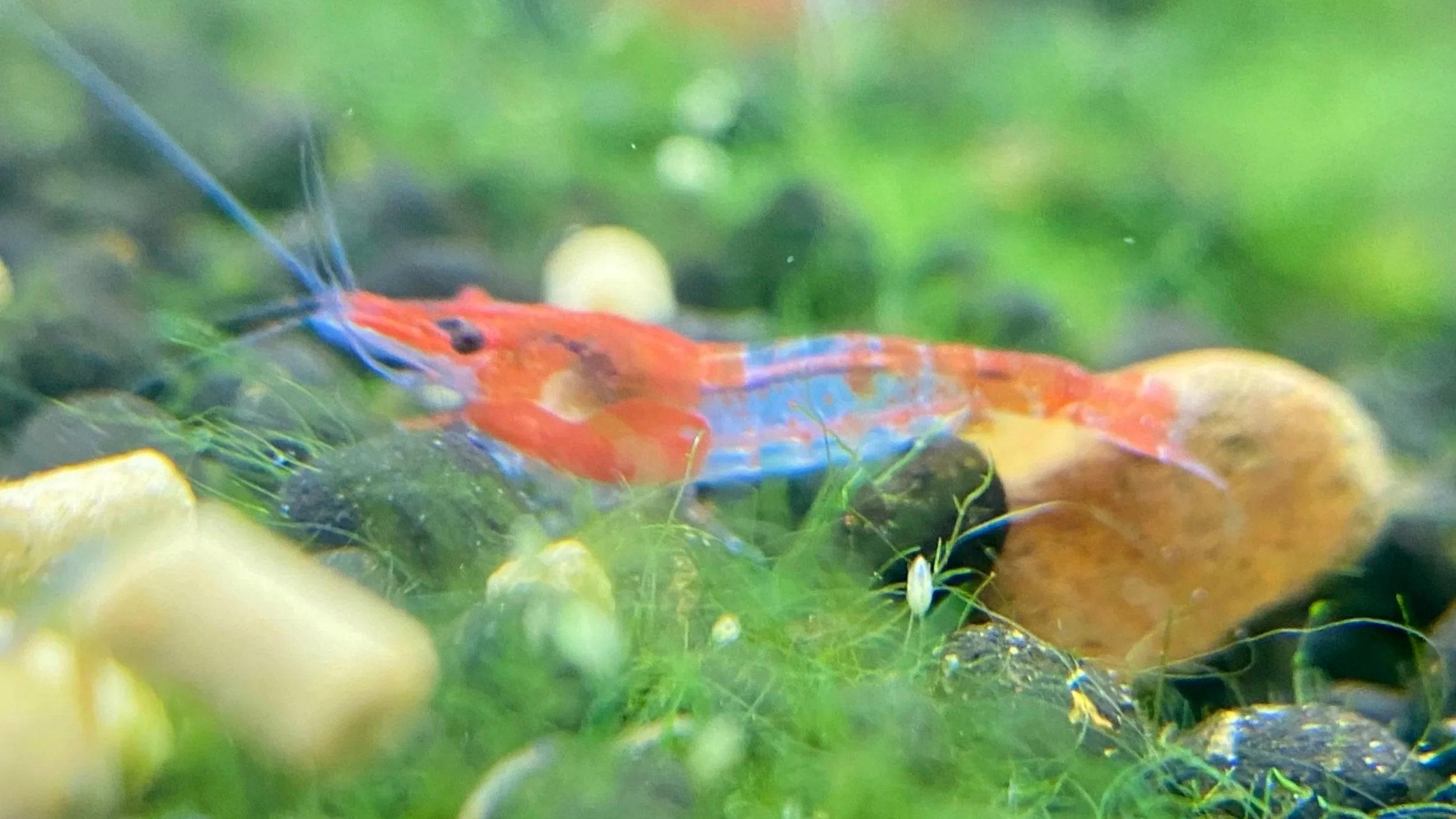
Juvinile Red Rili shrimp - this colour form is jaw dropping in heavily planted green tanks with dark substrates where that contrast of red and clear/whiteish can really pop. To get a closer look at these guys click the image.
Why Detoxifying Water Conditioner is crucial the moment you open the bag
During transit, shrimp naturally produce waste. Inside the sealed bag, CO₂ builds up and causes the pH to drop, keeping ammonia in a less toxic ammonium form.
When you open the bag:
Fresh air enters
CO₂ escapes
pH rapidly increases
Ammonium converts into toxic ammonia (NH₃)
Toxicity spikes fast
Without a conditioner, this sudden ammonia spike can injure or kill shrimp during acclimation. Prime buys you time by neutralising ammonia and nitrite long enough to drip acclimate safely.
4. Start your drip line
Run airline tubing from your tank to the acclimation container.
Tie a knot until you get approximately 1–2 drips per second.
Let this run until the water level rises near the top.
5. Increase the flow
Once the container is almost full, loosen the knot slightly so the flow becomes faster. This helps flush out more of the original shipping water and further stabilises the parameters to match your tank.
I personally drip acclimate for 1.5–2 hours.
Is this longer than required? Probably.
But in shrimp-keeping, patience always brings better results and reduces risk. It has never failed me, so I stick with it.
6. Match temperature
Make sure the temperature inside the container matches your aquarium.
If needed, float the container in the tank for a few minutes.
7. Transfer your shrimp
After parameters and temperature are stable, gently net the shrimp out and introduce them to the tank.
Avoid adding shipping water into your aquarium.
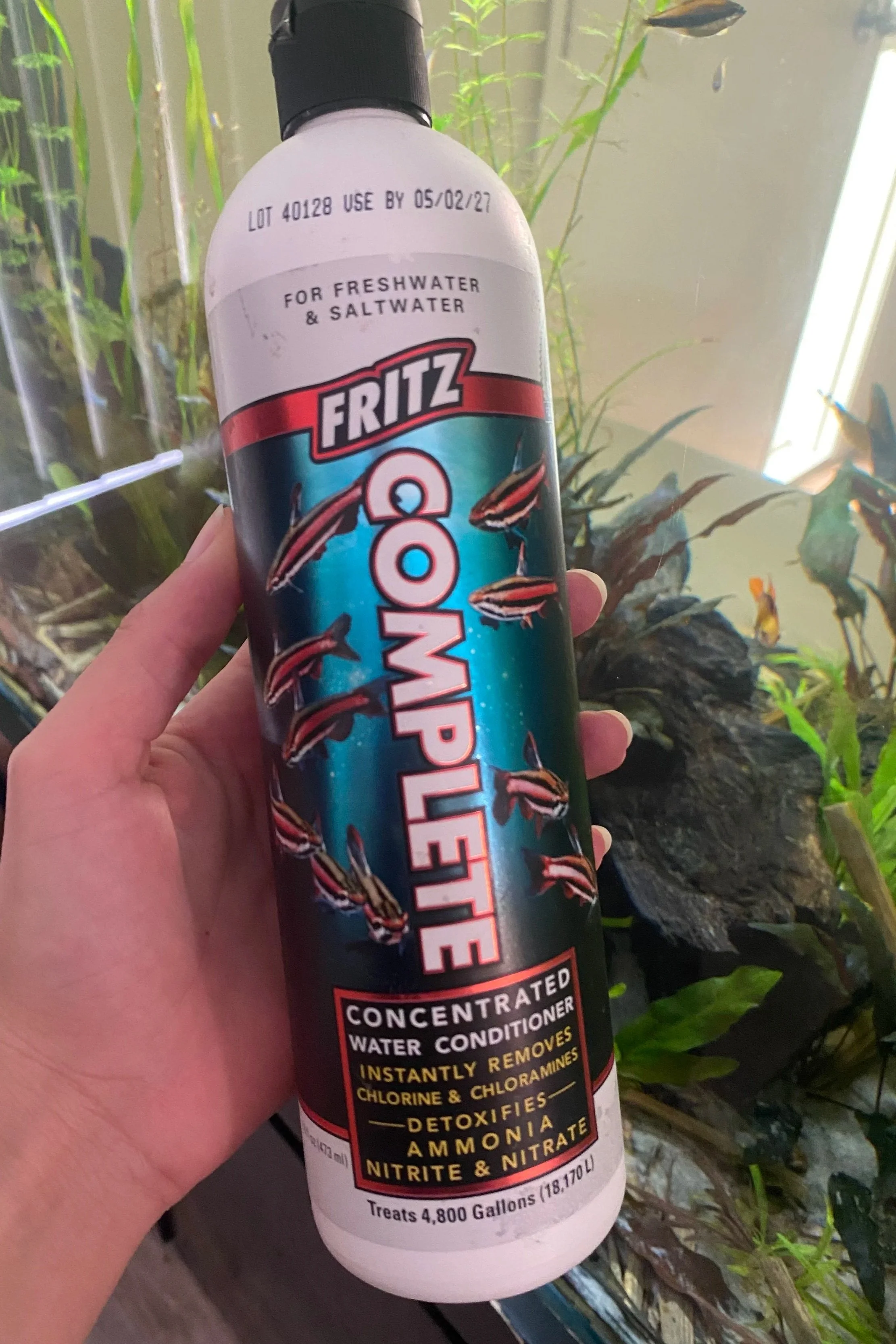
Fritz Complete Water Conditioner instantly detoxifies chlorine, chloramine, and heavy metals while also neutralising ammonia, nitrite, and nitrate — making it ideal for water changes, new tank setups, and emergencies. To buy this or explore the full Fritz range, click the image above.
Alternative Method (for if you don’t have airline only)
If you don’t have airline tubing available, you can acclimate by adding small amounts of tank water every 5–10 minutes for 30–60 minutes.
This method works, but it is:
More hands-on
Easy to overdo
More risky for ammonia spikes
More likely to shock the shrimp
Drip acclimation is safer and more consistent, especially for beginners.
So… is drip acclimation really necessary?
Yes. Absolutely.
Here’s why:
Shrimp are extremely sensitive to parameter changes
It prevents shock from pH, TDS, and temperature swings
It avoids ammonia toxicity when the bag is opened
It dramatically increases survival rates
It creates far smoother transitions into their new home
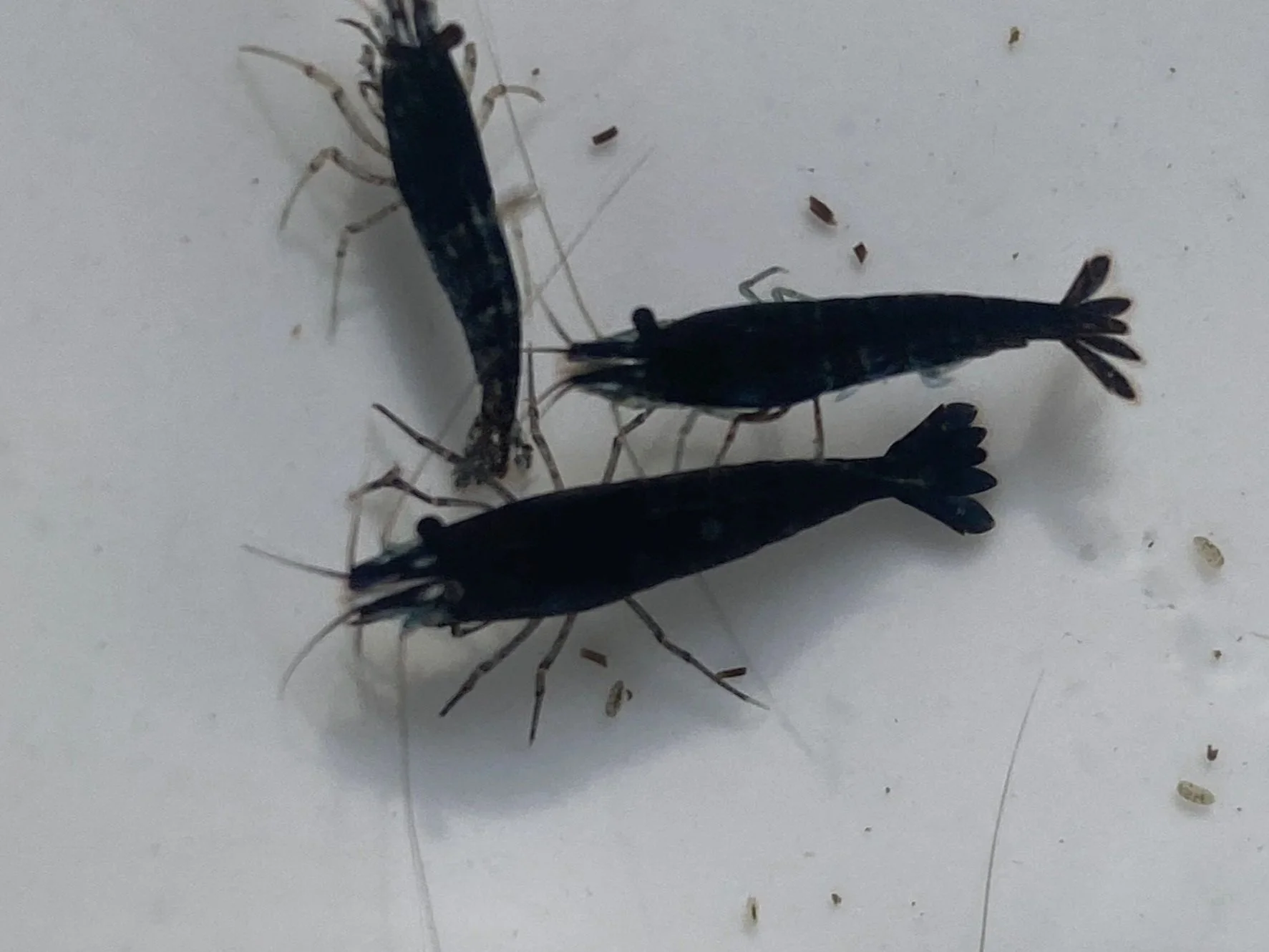
Black Rose Shrimp are highly underrated and one of my most prolific lines. Their dark colouration makes it easier for babies to hide from fish, making them a perfect choice if you keep small fish with your shrimp. Click the image to add them to your tank
